Ayuredic Care After C-Section:

Dos, Don'ts, and Healing Therapies

A Caesarean section (C-section) is major abdominal surgery. While modern obstetric care ensures the safety of mother and child, recovery from a C-section involves more than just wound healing. The body must simultaneously recover from surgical trauma, adapt to dramatic hormonal shifts, establish breastfeeding, and restore uterine health — all while caring for a newborn.

Ayurveda, India’s 5,000-year-old system of natural medicine, offers a deeply structured framework for exactly this situation. It recognises the postpartum period — called Sutika Kala — as one of the most physiologically vulnerable phases of a woman’s life, and prescribes a complete regimen of diet, herbal medicine, oil therapies, and daily routine to support full recovery.

In Ayurveda, the 42 days after delivery are considered as critical as the 9 months before it — and after a C-section, that window matters even more.

This guide provides a comprehensive, clinically grounded overview of what Ayurveda recommends for C-section recovery — what to do, what to avoid, and which therapies accelerate healing safely and naturally.
The Ayurvedic View of the Body After a C-Section

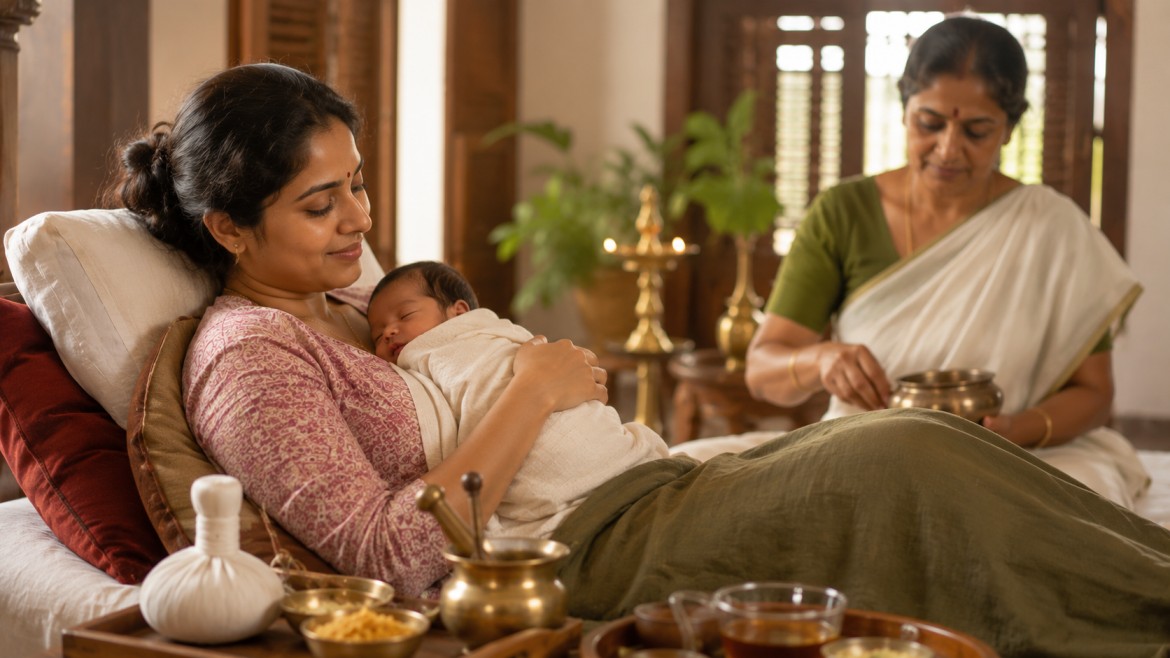
Ayurvedic approach to healing after C-section delivery

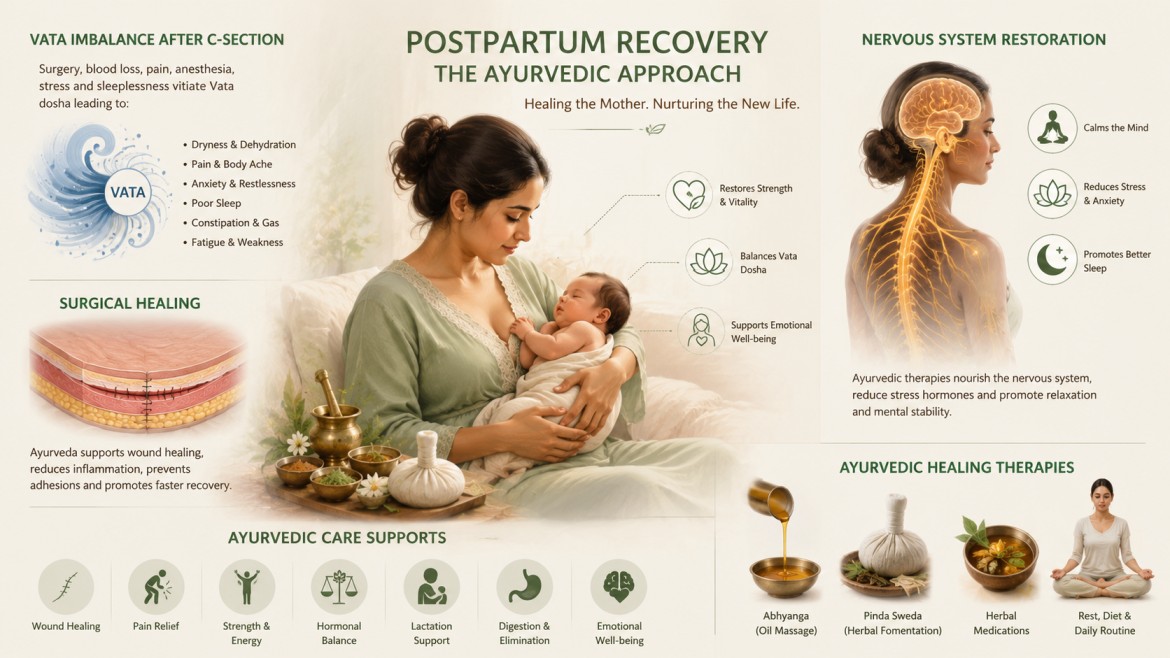
In Ayurvedic physiology, childbirth — and especially surgical delivery — causes a significant aggravation of Vata dosha, the bio-energy governing movement, the nervous system, and tissue integrity. During a C-section, multiple Vata-aggravating factors occur simultaneously:

  • Surgical incision disrupts the body’s natural tissue layers (Dhatus)
  • Anaesthesia and medications disturb the nervous system
  • Restricted post-operative movement increases Vata accumulation
  • Blood loss depletes Rasa Dhatu (plasma) and Rakta Dhatu (blood tissue)
  • Emotional stress and interrupted sleep further destabilise Vata

Unaddressed Vata aggravation in the postpartum period can manifest as chronic joint pain, persistent fatigue, postpartum hair fall, anxiety, poor digestion, hormonal imbalance, and even postpartum depression if left unmanaged.

Ayurvedic postnatal care — known as Prasavaraksha — is designed to counter this by:

  • Pacifying aggravated Vata through warmth, oil, and nourishing food
  • Rebuilding digestive fire (Agni) to support absorption and recovery
  • Replenishing depleted body tissues through a staged dietary protocol
  • Supporting uterine healing, hormonal restoration, and lactation
Sutika Kala postpartum recovery period in Ayurveda

When Can Ayurvedic Care Begin After a C-Section?

Unlike vaginal deliveries, C-section recovery requires a more careful, phased approach to Ayurvedic therapies. Introducing the wrong therapy too early — particularly abdominal oil massage — can delay wound healing or cause complications. The following week-by-week timeline is a general guide; your Ayurvedic doctor will customise this based on your individual healing progress.

Timeframe

Recommended Ayurvedic Care

Week 1 (Days 1–7)

Recommended Ayurvedic Care

Week 2 (Days 8–14)

Begin gentle head and leg Abhyanga if wound is dry and healing. Continue internal medicines under supervision.

Weeks 3–4 (Days 15–28)

Introduce Dhanwantharam oil massage on arms, back, and legs. Start Kati Vasti only if sutures are fully healed.

Weeks 5–6 (Days 29–42)

Full Prasavaraksha protocol. Medicated oil treatments, uterine care therapies, lactation support.

After 6 Weeks

Structured clinic-based postnatal program. Navarakizhi, Shirodhara, full Panchakarma-lite as prescribed.

Important: Never self-prescribe Ayurvedic therapies or medicines after a C-section. A qualified Ayurvedic physician will assess your wound healing, current dosha state, digestive strength, and lactation status before recommending any treatment protocol.

The Dos: What Ayurveda Recommends After a C-Section

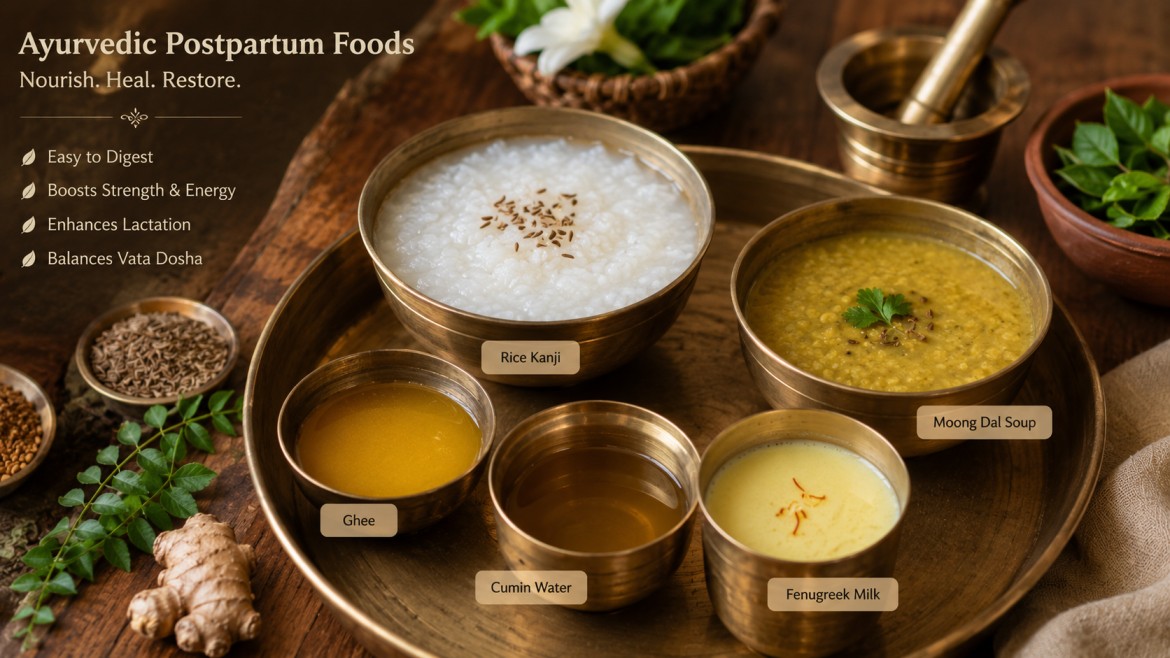
Ayurvedic Diet (Pathya Ahara) for C-Section Recovery

Diet is the first and most powerful tool in Ayurvedic postpartum care. The foundational principle is simple: eat warm, freshly cooked, easy-to-digest foods that rekindle your digestive fire without creating gas, bloating, or heaviness.

Food / Supplement

Why It Helps

Warm Rice Kanji (Rice Gruel)

Easiest to digest; restores depleted Agni without straining the gut

Desi Ghee (from Day 3–5)

Heals gut lining, lubricates dry tissues, pacifies Vata dosha

Drumstick Leaves & Sesame Seeds

Drumstick Leaves & Sesame Seeds Rich in iron and calcium; replenishes lost nutrients after surgery

Moong Dal Soup

Moong Dal Soup Light, nourishing protein that rebuilds body tissues (Dhatus)

Warm Cumin & Dry Ginger Water

Warm Cumin & Dry Ginger Water Reduces post-surgical bloating, rekinddles digestive fire

Methi (Fenugreek) in warm milk

Methi (Fenugreek) in warm milk Boosts lactation and restores hormonal balance naturally

Shatavari Kalpa in warm milk

Classical herb for uterine recovery and milk production

Avoid cold drinks, carbonated beverages, raw salads, and heavy fried foods throughout the 42-day recovery period. These are directly contraindicated in Ayurvedic postpartum guidelines and can worsen Vata and impair digestion.

Recommended Herbal Medicines (Under Doctor Supervision)

Several classical Ayurvedic formulations are specifically indicated for postpartum care. These should be taken only under the guidance of a qualified Ayurvedic doctor, as dosage and suitability vary based on individual constitution:

  • Dashamoola Kashayam — Reduces Vata, relieves uterine pain and post-operative stiffness
  • Jeerakarishtam — Improves digestion, reduces bloating, supports appetite restoration
  • Ashokarishta — Classical uterine tonic that supports uterine healing and hormonal balance
  • Dhanwantharam Gulika — A flagship postnatal formulation that addresses overall Vata imbalance
  • Shatavari Kalpa — Builds lactation, restores Ojas (vital energy), and supports emotional wellbeing

Ayurvedic External Therapies (Starting Week 2 Onwards)

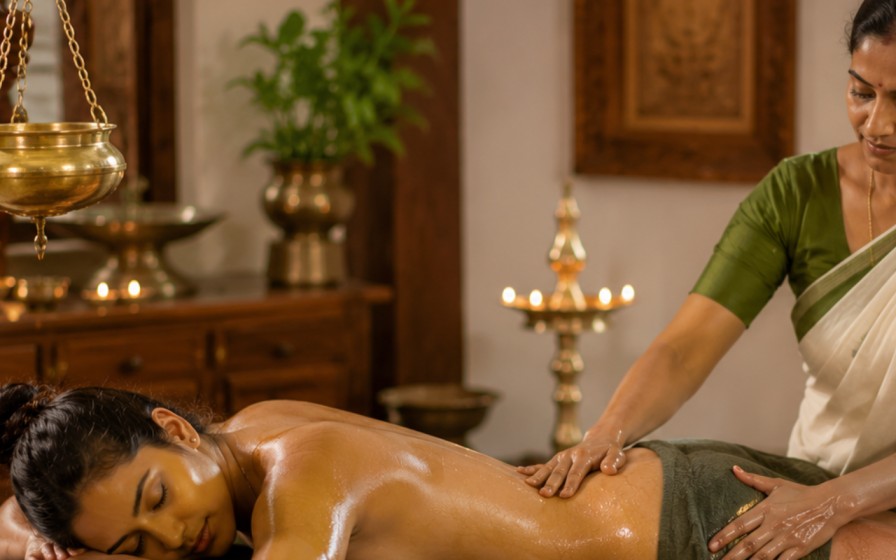
Ayurvedic Abhyanga therapy after C-section recovery

Once the surgical wound has begun to heal and the treating doctor confirms it is safe to proceed, the following external therapies form the core of Ayurvedic C-section recovery:


Abhyanga (Medicated Oil Massage)

Dhanwantharam oil — the classical Ayurvedic oil for postpartum care — is used in full-body Abhyanga from Week 2 onwards (excluding the abdominal area until Week 4–6). This therapy pacifies Vata, improves blood circulation, relieves muscle stiffness and joint pain, and promotes deeper sleep.


Shiroabhyanga (Head Oil Massage)

A gentle head massage using Ksheerabala or Brahmi oil can begin as early as Week 1 if there are no contraindications. It significantly reduces postpartum anxiety, supports sleep quality, prevents hair fall triggered by post-delivery hormonal changes, and calms the nervous system.


Kati Vasti / Udarabhyanga (Lower Back and Abdominal Therapy)

After complete wound closure (typically around Week 4–6), medicated warm oil treatment on the lower back and lower abdomen supports uterine recovery, relieves scar tissue adhesion, and reduces referred back pain from the epidural site. This is one of the most effective therapies specific to C-section mothers.


Navarakizhi (Medicated Rice Bundle Massage)

This classical Kerala therapy uses boluses of medicated Navara rice cooked in herbal decoctions to deeply nourish muscle and nerve tissue, improve physical strength, and restore energy — typically introduced in the 4–6 week phase.

Rest, Routine, and Lifestyle After C-Section

Ayurveda places equal importance on lifestyle practices (Vihara) as it does on food and medicine. For C-section mothers, the following are non-negotiable:

  • Maintain strict physical rest for the first three weeks — no heavy lifting, bending, or sustained walking beyond short distances
  • Follow a consistent daily routine (Dinacharya) — wake, eat, and sleep at the same times each day to restore biological rhythms
  • Wear warm clothing and avoid direct cold wind or air conditioning — cold aggravates Vata and worsens recovery
  • Prioritise emotional calm: limit screen time, avoid distressing content, and ensure adequate family support
  • Practice Sattvic living — surround yourself with gentle music, natural light, positive conversations, and consistent newborn bonding time

The Don'ts: What to Avoid During C-Section Recovery

Equally important as what you do is what you avoid. The following practices are specifically contraindicated in Ayurvedic postnatal care for C-section mothers:

What to Avoid

Why It Is Harmful

Cold, raw, or refrigerated foods

Kills digestive fire (Agni), causes gas, bloating and delayed healing

Abdominal oil massage in first 4–6 weeks

Risks wound dehiscence or internal trauma before sutures heal fully

Steam baths or full immersion in hot water

Elevates infection risk at the incision site

Fasting or skipping meals

Depletes Dhatus (body tissues) and reduces breast milk supply

Strenuous exercise or yoga inversions

Strains the surgical wound and weakens pelvic floor muscles

Self-prescribing Ayurvedic medicines

Some herbs (e.g. strong purgatives) are contraindicated during breastfeeding

Sleeping in cold, air-conditioned rooms

Cold aggravates Vata, worsening body aches and postpartum fatigue

A note on social pressure: Many well-meaning family members may suggest home remedies, oil applications, or dietary practices they have seen work for others. Post-C-section recovery is unique — what is safe for a vaginal delivery may not be safe for a surgical one. Always verify with your Ayurvedic physician first.

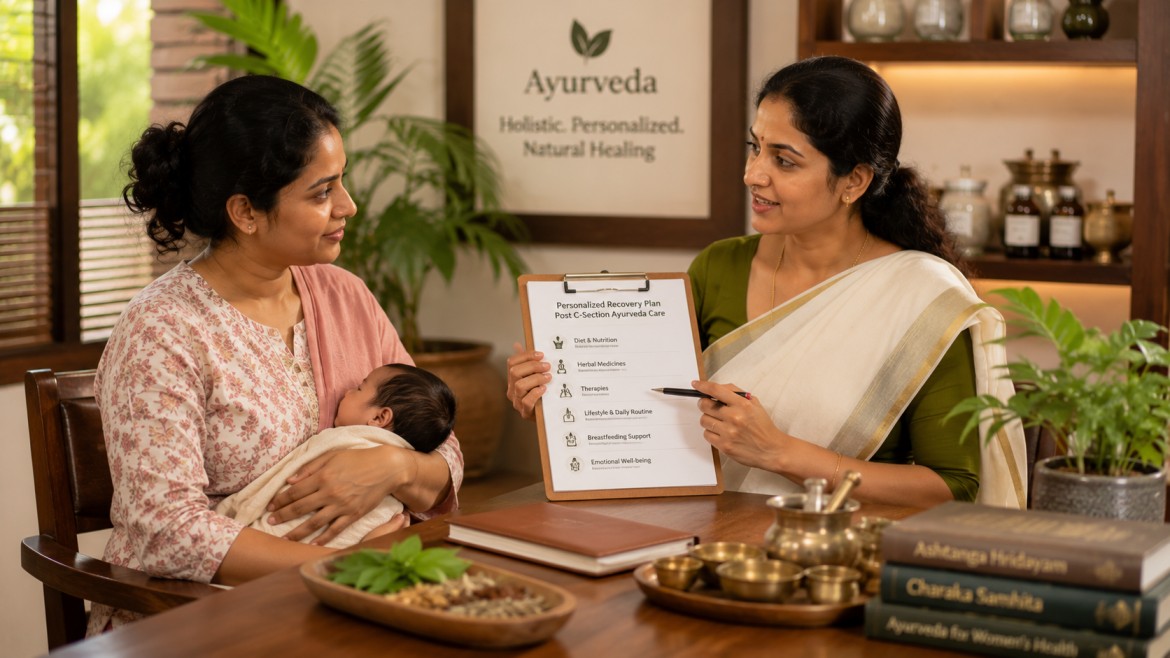
Prasavaraksha: The Complete Ayurvedic Postnatal Care Protocol

Prasavaraksha is the classical Ayurvedic system of postnatal care described in foundational texts including Ashtanga Hridayam and Charaka Samhita. It is a 28 to 42-day structured program that integrates all aspects of recovery: diet, herbal medicines, external therapies, guided rest, and emotional support.

For C-section mothers, a standard Prasavaraksha protocol is modified to accommodate the surgical wound and delayed therapy timeline. At Nivera Ayur Care, our Ayurvedic physicians design a personalised Prasavaraksha plan that considers your delivery type, current healing status, breastfeeding progress, digestive strength, and individual Prakriti (body constitution).

Mothers who complete a structured Prasavaraksha program consistently report:

  • Significantly faster recovery of physical strength and stamina
  • Reduction in C-section scar discomfort and scar tissue adhesion over time
  • Improved and sustained breast milk production
  • Better sleep quality and reduction in postpartum fatigue
  • Visible reduction in postpartum hair fall within 6–8 weeks
  • Greater emotional stability and reduced risk of postpartum depression
  • Faster return to pre-pregnancy hormonal balance


Prasavaraksha is not a luxury — it is preventive healthcare. Many of the chronic conditions women experience in later life — persistent joint pain, thyroid imbalance, chronic fatigue, and hormonal disorders — are rooted in inadequate postpartum recovery. Investing in structured Ayurvedic postnatal care is one of the most important things a woman can do for her long-term health.

Supporting Breastfeeding After a C-Section Through Ayurveda

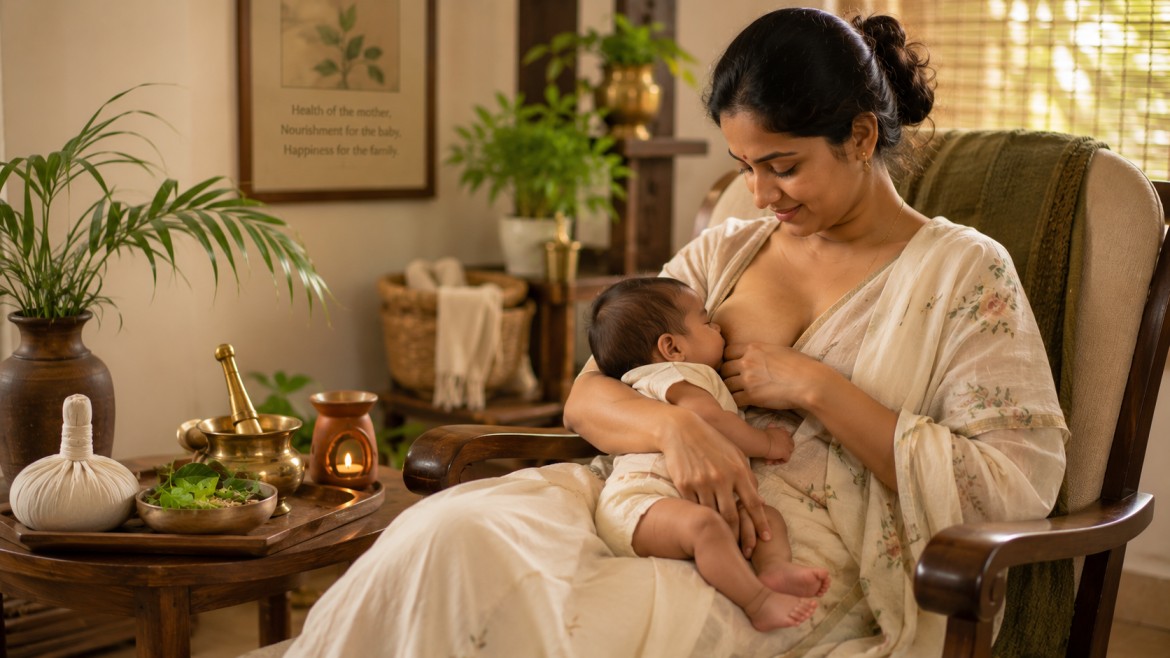
Ayurvedic support for breastfeeding after C-section

C-section deliveries often result in a delayed milk let-down compared to vaginal births. This is primarily due to the absence of the hormonal surge triggered by natural labour contractions, as well as the stress response from surgery. Ayurveda addresses this with a multi-pronged approach:

  • Galactagogue herbs: Shatavari, Vidarikanda, Jeera, and Methi are the most effective Ayurvedic herbs for stimulating milk production
  • Warm, nourishing diet: Regular meals with adequate ghee, protein, and fluids directly support lactation
  • Ksheerabala oil head massage: Reduces cortisol and prolactin-disrupting stress hormones
  • Adequate rest and skin-to-skin contact: Physiologically essential for oxytocin release and milk let-down

With proper Ayurvedic support, the vast majority of C-section mothers achieve full, sustained lactation. Early intervention in the first week is key — do not wait to seek guidance if you are experiencing difficulty breastfeeding.

Frequently Asked Questions

Yes. Postpartum hair fall is one of the most common concerns after delivery and is caused by a combination of hormonal changes, nutritional depletion, and Vata aggravation. Ayurvedic management — including medicated oil head massage, Shatavari supplementation, iron-rich diet, and stress reduction practices — typically shows visible improvement within 6 to 8 weeks of consistent care.

Standard postpartum care primarily monitors wound healing, breastfeeding establishment, and postnatal depression screening. Ayurvedic postnatal care goes further — it addresses the root physiological cause of postpartum depletion (Vata aggravation), rebuilds body tissues, restores digestive function, and provides a complete framework for both physical and emotional recovery.

Yes. Specific medicated oils, including Kumkumadi oil and Eladi oil, applied externally after wound closure help soften scar tissue, reduce discoloration, and minimise the raised appearance of keloid scars over time. This process requires consistency and patience over several months

A gentle, modified version of Panchakarma — often called Panchakarma-lite — can be introduced after the 4 to 6 week mark if the wound is healed and the doctor advises it. Full Panchakarma detoxification is typically recommended only after three months postpartum, when the body has had adequate time to stabilise.

Many classical Ayurvedic formulations are safe and beneficial during breastfeeding. However, some herbs — including strong purgatives like Triphala in high doses — are contraindicated. All medicines must be taken under the supervision of a qualified Ayurvedic physician who can assess what is appropriate for your specific condition.

Nivera Ayur Care offers Ayurvedic treatments such as Panchakarma, pain relief therapies, postnatal Ayurveda care, wellness therapies, rehabilitation support, and personalized Ayurvedic consultation based on individual needs.

Give Your Body the Recovery It Deserves

A C-section is a significant surgical event, and your body deserves a recovery programme that matches its magnitude. Ayurveda does not simply manage symptoms — it rebuilds the foundation of your health from the inside out, addressing digestion, hormonal balance, tissue strength, emotional wellbeing, and long-term vitality.

The 42 days after your delivery are a rare and precious window. How you care for yourself in this period will shape your health for years to come. A structured, personalised Ayurvedic postnatal programme — started at the right time, with the right therapies and medicines — can make the difference between a recovery that leaves you depleted and one that leaves you stronger than before.

Book Ayurvedic consultation for C-section recovery care

Ready to begin your Ayurvedic postnatal recovery?

Our Ayurvedic doctors at Nivera Ayur Care, Kochi specialise in personalised postnatal care for C-section mothers. We will design a safe, phased recovery plan based on your current healing stage, individual constitution, and specific health goals.

Enquiry

Get Consultation With Our Experts

Nivera Ayur Care is a specialized Ayurveda hospital focused on child development care, neurological rehabilitation, women’s wellness, and holistic healing through authentic Ayurvedic therapies. We combine traditional Ayurvedic wisdom with personalized rehabilitation approaches to support long-term health and recovery

Specialized Ayurveda Care for Growth, Recovery & Wellness

Contact

© 2026 Nivera Ayur Care. All Rights Reserved.