Of all five Panchakarma therapies, Virechana is the one most widely prescribed at Nivera Ayur Care because Pitta imbalance, in one form or another, underlies a remarkable number of the chronic conditions our patients present with. Virechana the controlled elimination of vitiated Pitta through therapeutic purgation — is a profound, physician-supervised procedure that cleanses the liver, small intestine, and blood channels, restoring metabolic balance at the deepest level.
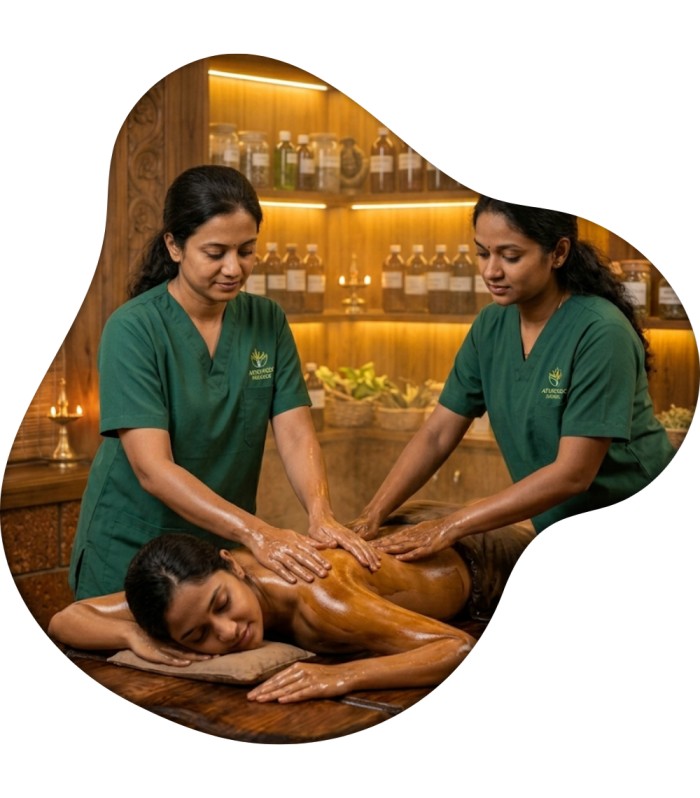
Virechana is the second of the five classical Panchakarma therapies. It involves the oral administration of specific herbal purgative formulations under physician supervision, producing a controlled, thorough elimination of vitiated Pitta dosha and accumulated Ama (toxins) through the lower gastrointestinal tract.
The small intestine (Pachyamanashaya) is the primary site of Pitta dosha in Ayurveda. The liver — Agni’s seat — is also intimately connected to Pitta function. When Pitta accumulates, it spreads through the blood (Rakta Dhatu) and bile channels (Pittavaha Srotas), giving rise to inflammatory conditions, skin disorders, liver dysfunction, and metabolic imbalances throughout the body.
Virechana removes this accumulated Pitta through its natural downward pathway of elimination — making it the most direct and effective therapy for Pitta-dominant conditions. Unlike laxatives used in conventional medicine, Virechana is a complete therapeutic programme with precise preparation, procedure, and recovery phases — designed not merely to clear the bowel but to achieve a systemic correction of Pitta imbalance.
Systemic elimination of vitiated Pitta dosha and inflammatory metabolites
Deep cleansing of the liver, gallbladder, and bile channels
Significant improvement in chronic skin conditions — psoriasis, eczema, acne, urticaria
Reduction of chronic inflammation and inflammatory markers
Improved management of type 2 diabetes and insulin resistance
Relief from chronic acid reflux, gastritis, and peptic conditions
Improvement in fatty liver and elevated liver enzymes
Clearing of Rakta Dhatu (blood tissue) — addressing blood-borne disorders
Restoration of sharp, balanced Agni (digestive and metabolic fire)
Deep preparation of the body for Rasayana and long-term rejuvenation
Chronic skin disorders — psoriasis, eczema, chronic urticaria, acne
Type 2 diabetes mellitus and pre-diabetes
Fatty liver disease (NAFLD)
Chronic gastritis and peptic ulcer
Inflammatory bowel conditions
Chronic migraine (Pitta-dominant)
Hyperlipidaemia and dyslipidaemia
Gout (Vatarakta — Pitta component)
Jaundice and liver conditions
Gynaecological Pitta disorders — menorrhagia, dysmenorrhoea
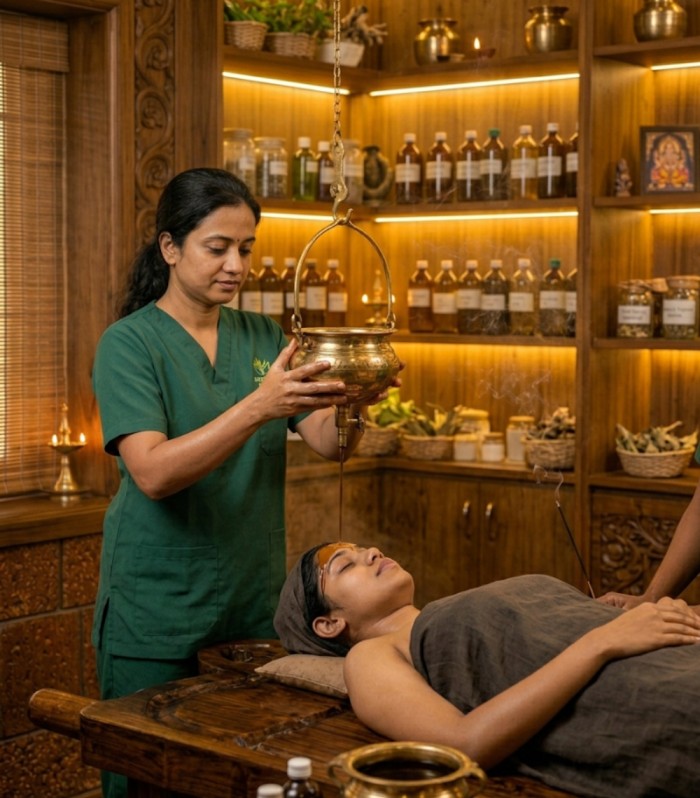
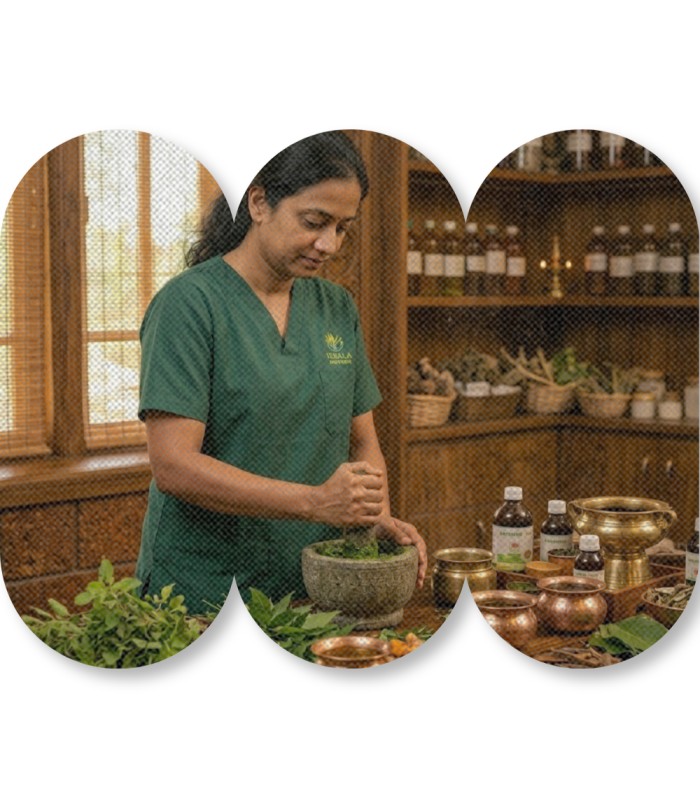
1. Snehapana (Internal oleation): The patient takes gradually increasing doses of prescribed medicated ghee (such as Mahatiktaka Ghrita or Tikta Ghrita) each morning on an empty stomach for 3 to 7 days. This saturates the tissues, mobilises Pitta and Ama from the deep Dhatus into the gastrointestinal tract.
2. Abhyanga and Swedana: Full-body medicated oil massage followed by steam therapy is administered during the Purvakarma period to open the body's channels and support the movement of mobilised Pitta toward the gut for elimination.
3. Assessment of readiness: The physician assesses classical signs of adequate oleation before prescribing the Virechana dose — signs include softness of the body, improved complexion, and characteristic changes in bowel patterns.
On the morning of Virechana, after confirmation of adequate oleation, the patient takes a light warm meal.
The prescribed purgative formulation is administered — typically a classical preparation such as Trivrit Lehya (based on Operculina turpethum) or other formulations, selected based on the patient's constitution and condition.
The patient rests comfortably. Purgation typically begins within 1 to 3 hours of administration.
The physician monitors the number of purgative movements (Vegas), the nature of the material eliminated, and the patient's overall comfort throughout the procedure. Classical texts specify the ideal number of Vegas for a successful Virechana.
After completion, the patient rests completely. Warm water and light herbal preparations support the recovery.
A graduated Samsarjana Krama (recovery diet) is followed for 3 to 7 days, systematically rebuilding digestive strength from warm liquids to normal diet.
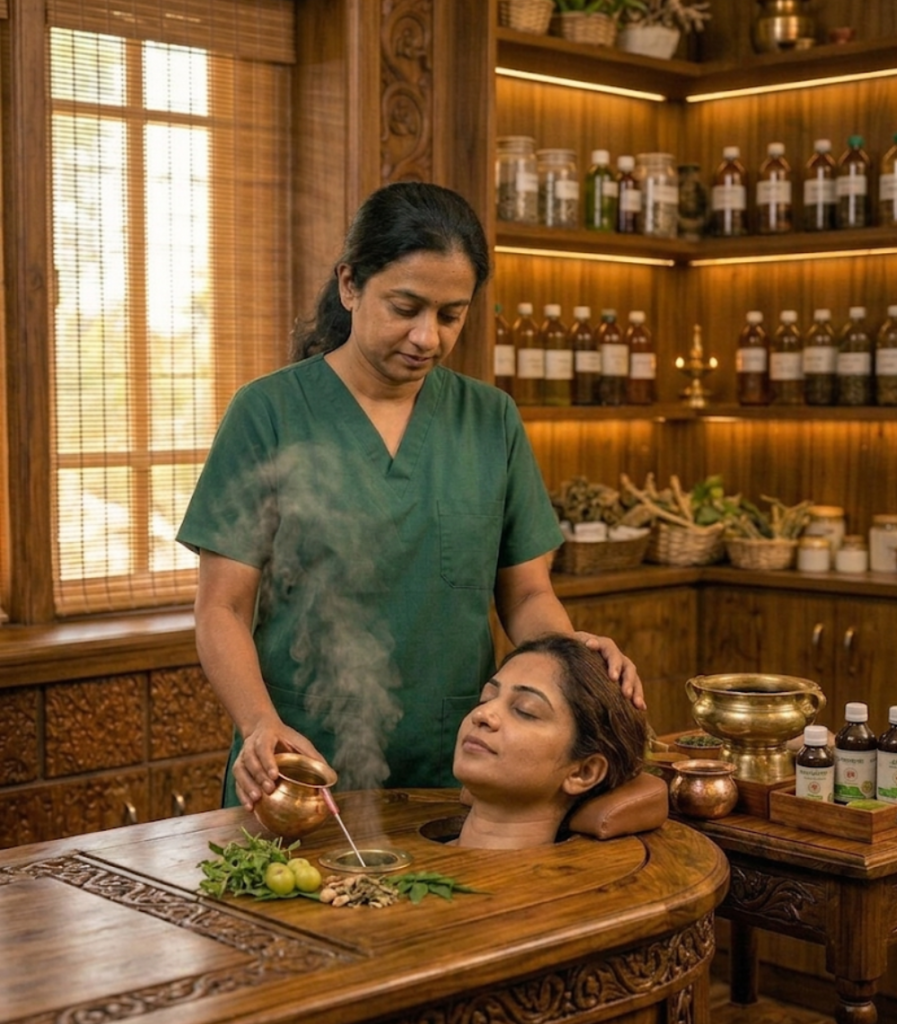
Assess properly. Plan carefully. Support patiently.
Nivera Ayur Care prioritises patient safety above all. A thorough clinical assessment by our physician is mandatory before any Panchakarma procedure. VIRECHANA is not administered to patients with the following conditions:
Children under 12 years and elderly above 75
Pregnancy and active lactation
Severe weakness or emaciation
Active diarrhoea or dysentery
Bleeding disorders or rectal prolapse
Acute inflammatory bowel flare
Severe anaemia
Purvakarma (internal oleation): 3 to 7 days
Virechana procedure day: Single day — procedure takes 4 to 8 hours
Virechana procedure day: Single day — procedure takes 4 to 8 hours
Total programme: 7 to 14 days
Classically recommended during Sharad Ritu (autumn) for optimal Pitta elimination
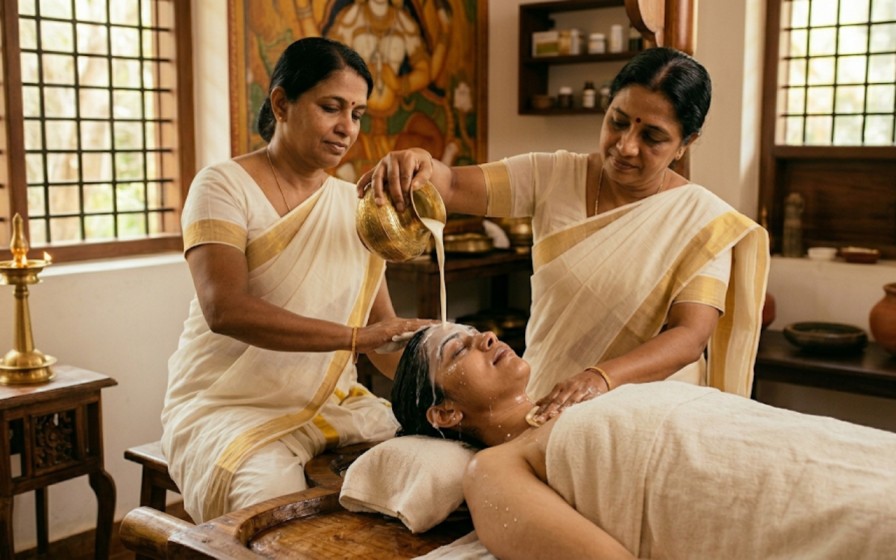
A laxative simply clears the bowel as a one-time mechanical action. Virechana is a 7 to 14-day programme comprising a precise preparation phase (internal oleation), a single carefully dosed procedure, and a structured dietary recovery. The preparation phase is essential — it mobilises Pitta from the deep tissues into the gut so that the purgative can eliminate it systematically. Without this preparation, the treatment achieves only superficial bowel clearance, not the deep Pitta elimination Virechana is designed for.
Yes — Virechana is one of the most effective Ayurvedic treatments for chronic psoriasis. Psoriasis in Ayurveda is classified as Kushtha, arising from vitiated Pitta and Kapha in the Rakta (blood) and Rasa Dhatu. Virechana directly eliminates this vitiated Pitta from the blood channels, producing significant improvement in plaques, itching, scaling, and inflammation. Many patients see a marked response after a single Virechana course, with sustained improvement when followed by appropriate Rasayana and dietary modifications.
The classical standard for adequate Virechana specifies between 20 and 30 purgative movements for a person of moderate constitution. In practice, the number varies based on the individual, the purgative dose, and the degree of Pitta accumulation. Our physician monitors the entire procedure, assessing each stage for the classical signs of appropriate elimination, over-action, or inadequate action.
After the procedure day, a structured recovery diet (Samsarjana Krama) is followed for 3 to 7 days. This begins with warm rice gruel and progresses through liquid, semi-solid, and eventually normal foods. Far from weakening digestion, most patients report a markedly improved appetite, lighter digestion, and enhanced food absorption after completing the recovery phase.
Yes — as a supportive therapy alongside appropriate medical management. Ayurveda classifies type 2 diabetes (Prameha) as a condition with significant Pitta and Kapha involvement. Virechana’s action of cleansing the liver, bile channels, and Rakta Dhatu has a meaningful positive effect on insulin sensitivity, liver fat, and metabolic function. It is most effective as part of a comprehensive Ayurvedic management programme that includes dietary guidance and appropriate herbal formulations.
VIRECHANA at Nivera Ayur Care is offered as a physician-supervised, clinically precise programme — not a general wellness package. Every patient undergoes a thorough assessment before treatment is prescribed, ensuring that the therapy is right for you and delivered in the safest, most effective manner possible.
Take the first step toward genuine Ayurvedic healing — speak with our physicians and discover what classical Panchakarma can do for your health.
© 2026 Nivera Ayur Care. All Rights Reserved.