The nervous system is highly complex, and when affected, it impacts every aspect of life. At Nivera Ayur Care, our Neuro Rehabilitation programme combines classical Ayurveda with specialized medical expertise. We treat conditions such as Parkinson’s disease, cerebral palsy, neuropathy, motor neuron disorders, and post-surgical recovery—creating personalized care plans for every patient.
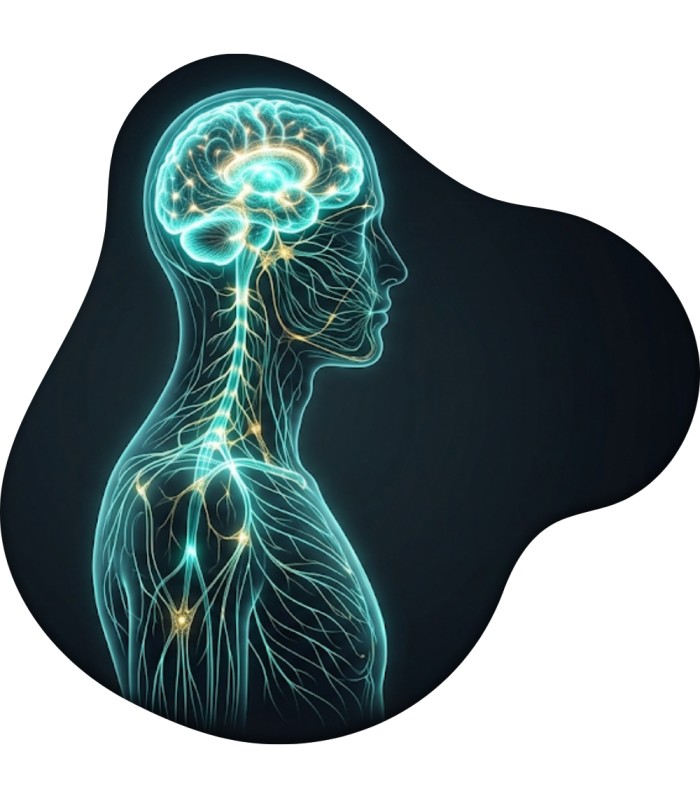
Ayurveda categorises most neurological disorders under Vatavyadhi — conditions arising from the disturbance of Vata dosha, which governs all movement, sensation, and neurological activity in the body. Each condition has its own unique pathology (samprapti), and treatment must address that specific pathway.
At Nivera Ayur Care, our neuro rehabilitation programme covers the following conditions:
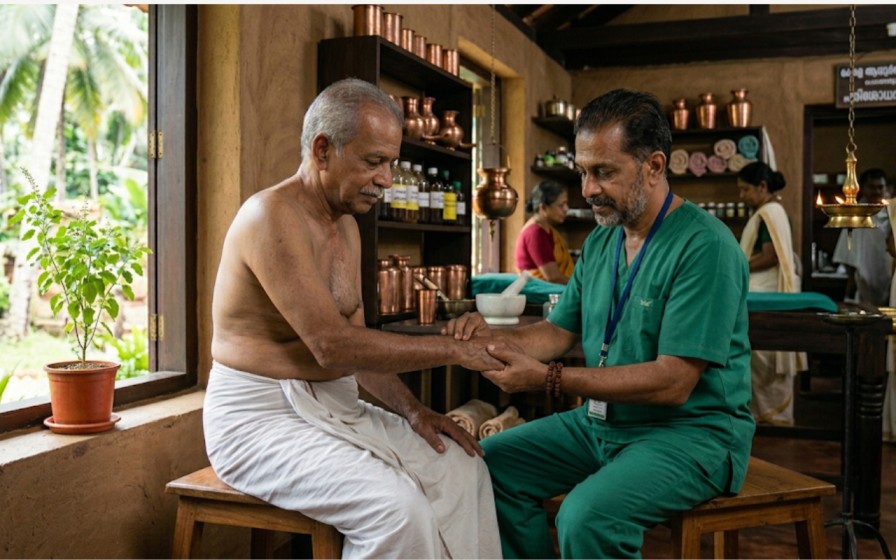
In Ayurveda, Parkinson’s Disease corresponds closely to Kampavata — a condition of tremor, rigidity, and slowness arising from severe Vata aggravation in the nervous tissue. Our treatment protocol focuses on Basti therapies to pacify Vata, Abhyanga and Shirodhara to soothe the nervous system, and neuro-nourishing Rasayana formulations including Mucuna pruriens (Atmagupta), which research has increasingly validated for its role in dopaminergic support.
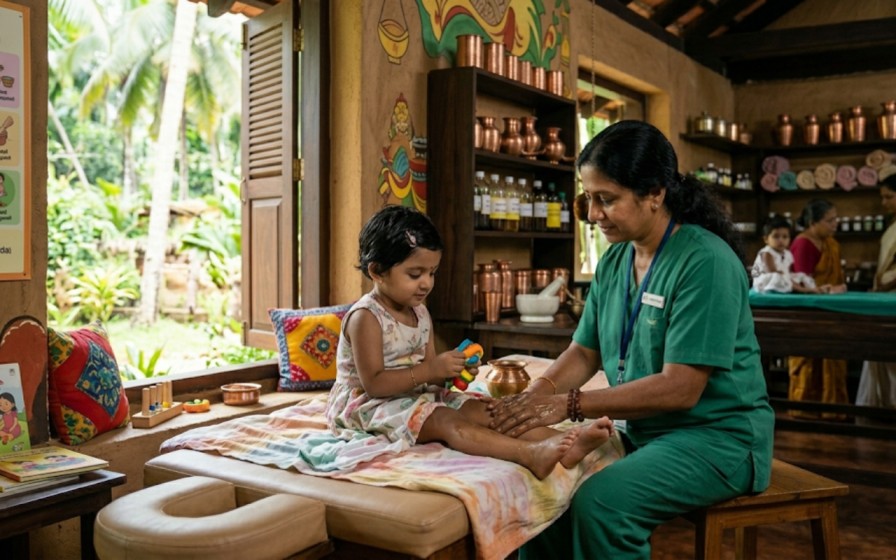
Children and adults with cerebral palsy present with varying degrees of motor impairment, muscle rigidity, and coordination difficulty. Ayurvedic treatment focuses on reducing spasticity, nourishing the nervous system, and supporting motor development. Njavarakizhi, Pizhichil, and Abhyanga are cornerstones of the treatment, combined with specialised paediatric Rasayana formulations that support neurological growth and repair
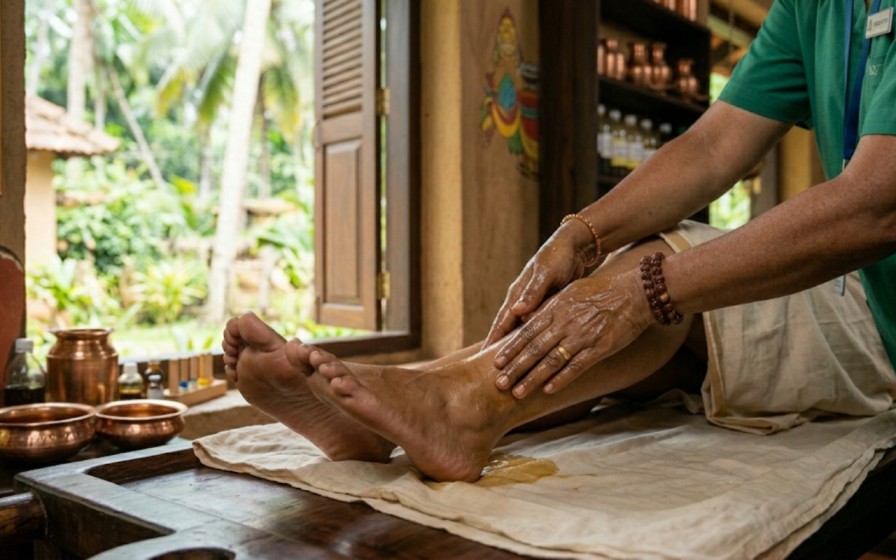
Peripheral neuropathy — characterised by numbness, tingling, burning sensations, and weakness in the extremities — corresponds to Vatavyadhi with Sira (nerve channel) involvement. Our treatment focuses on Vata pacification through medicated oil therapies, Vasti, and targeted herbal formulations that support nerve conduction and reduce inflammation.
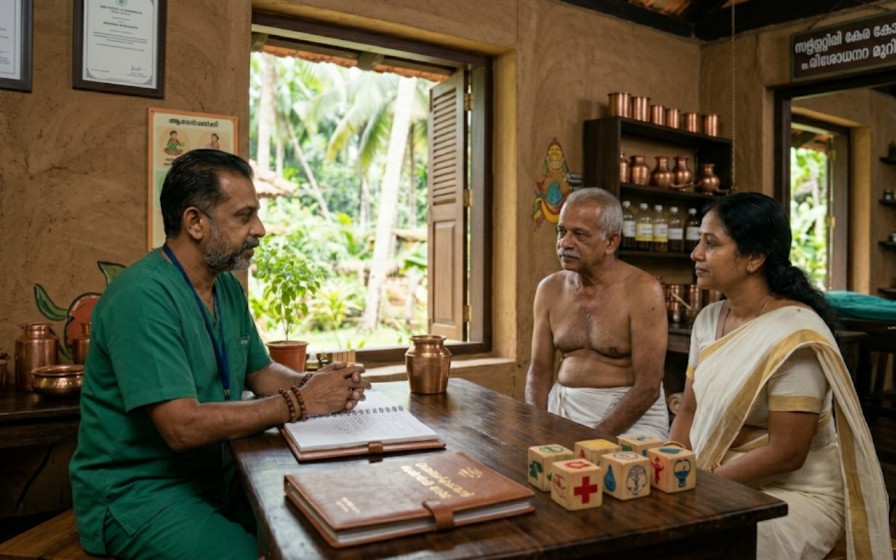
While Motor Neuron Disease is a progressive condition, Ayurveda offers a meaningful complementary role in slowing progression, managing symptoms, and supporting quality of life. Our approach focuses on intensive nourishment of the nervous tissue through Brimhana (strengthening) therapies, Rasayana protocols, and palliative care support.
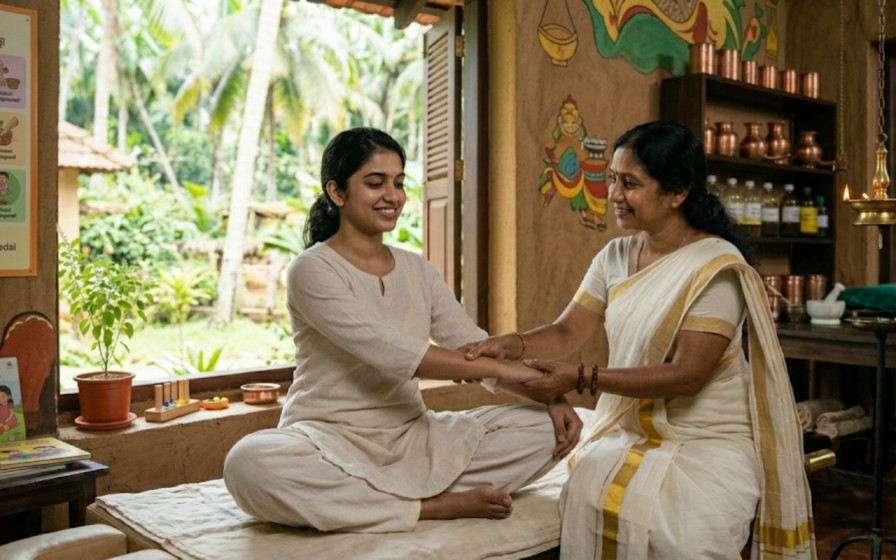
Multiple Sclerosis — where the immune system attacks the protective myelin sheath of nerves — is approached in Ayurveda as a condition of Avarana (obstruction) of Vata channels combined with an underlying immune dysregulation. Our treatment focuses on clearing these obstructions, reducing inflammation, and rebuilding the integrity of the nerve pathways through Panchakarma and targeted herbal support.
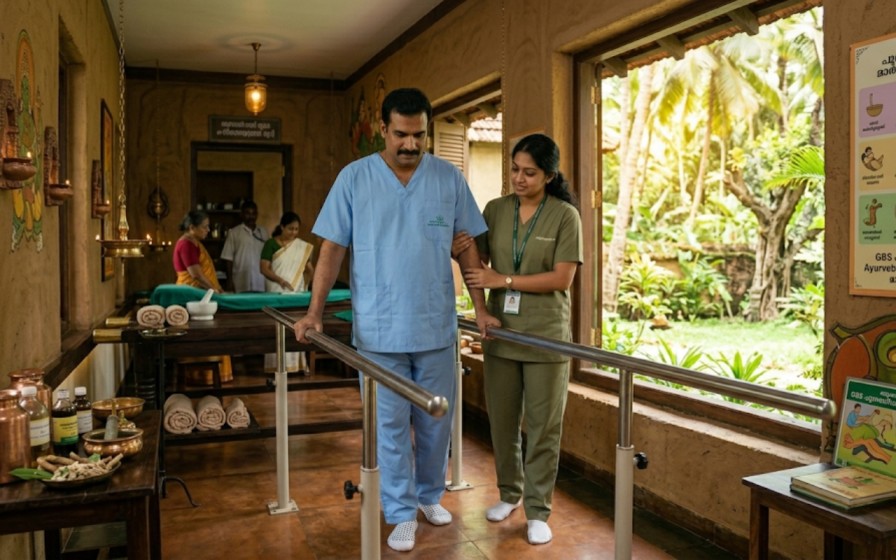
Following the acute phase of Guillain-Barré Syndrome, Ayurvedic rehabilitation plays a powerful role in rebuilding nerve function, restoring muscle strength, and supporting full recovery. Pizhichil, Njavarakizhi, and Vasti are among the most effective therapies for this condition.
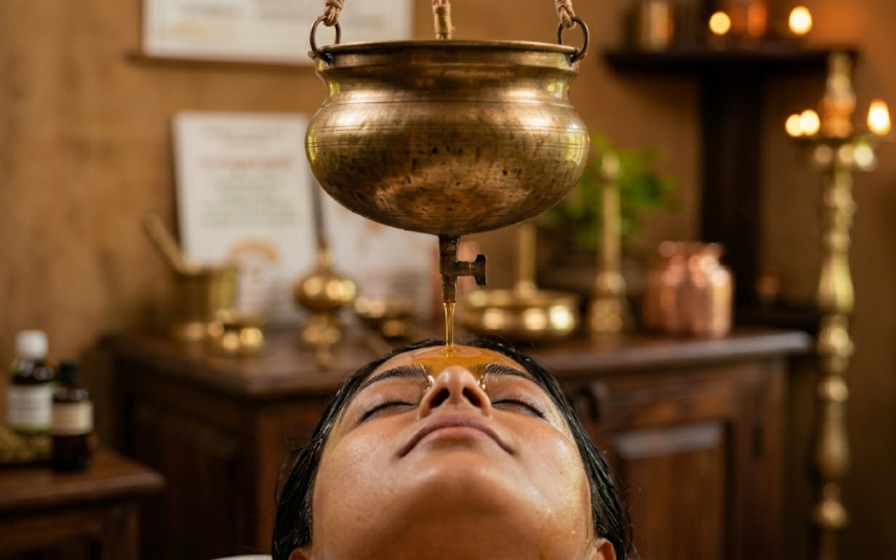
Chronic neurological headache conditions — including migraines with aura, cluster headaches, and tension-type headaches — are effectively managed through Shirodhara, Nasyam, and Vata-pacifying herbal protocols. Our approach targets the root neurological and dosha imbalance rather than symptom suppression alone.
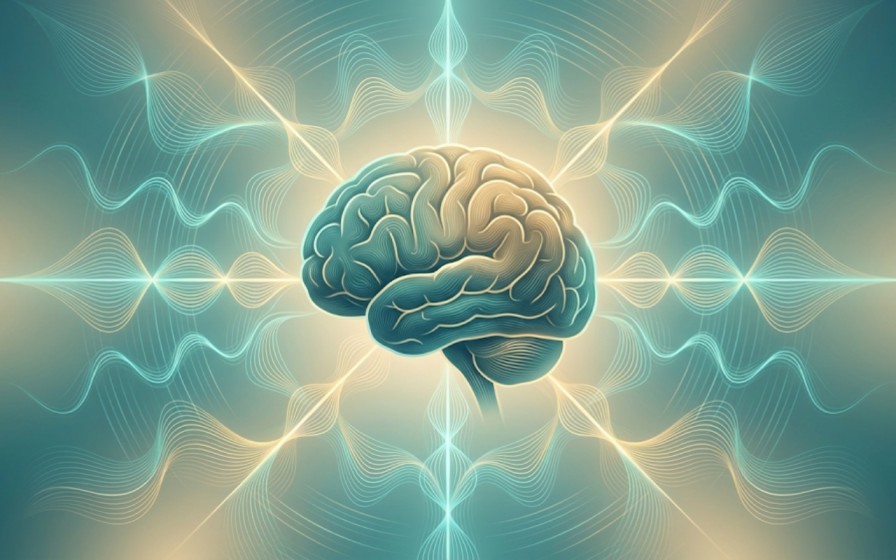
As a complementary approach alongside antiepileptic medication, Ayurvedic therapies can support seizure management by calming an over-stimulated nervous system, reducing frequency, and improving quality of life. Shirodhara, Brahmi Rasayana, and specific dietary protocols form the core of this programme.
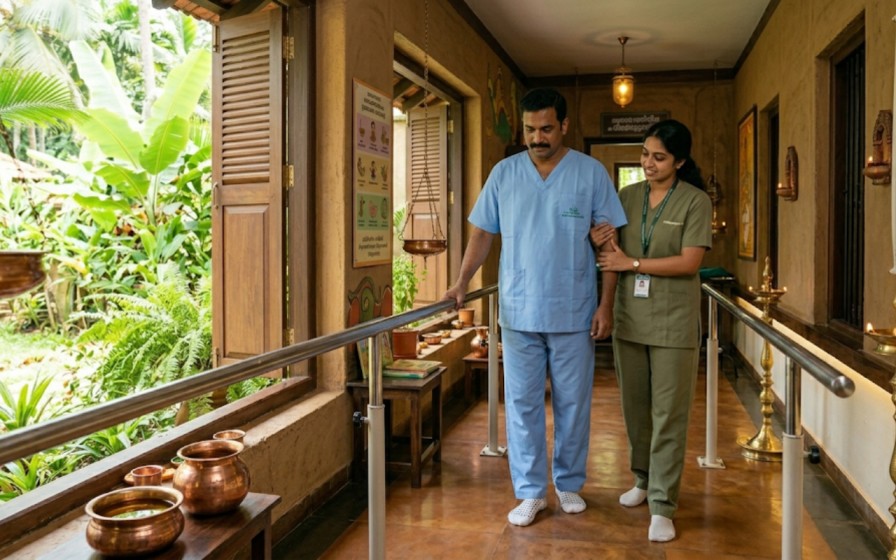
Following brain or spinal surgery, patients often face a prolonged rehabilitation challenge. Ayurveda supports post-surgical recovery by reducing neurological inflammation, nourishing damaged tissues, and accelerating functional restoration — working in conjunction with the treating surgical team.
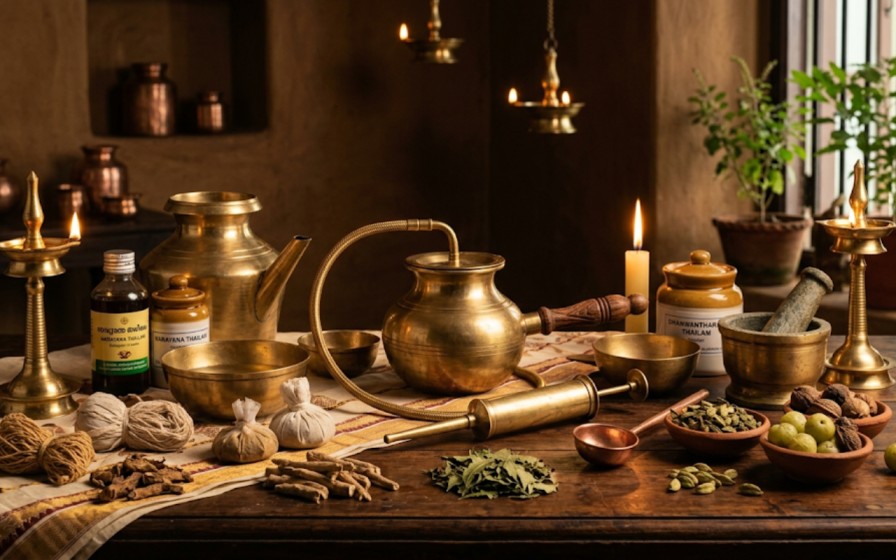
Basti is the single most powerful Vata-pacifying treatment in classical Ayurveda — and because the majority of neurological disorders are rooted in Vata disturbance, it holds a central place in our neuro rehabilitation protocols. Medicated oil or decoction administered through Vasti enters systemic circulation rapidly, restoring balance to the nervous system from within. A structured Basti course forms the backbone of most of our neuro-rehabilitation programmes.
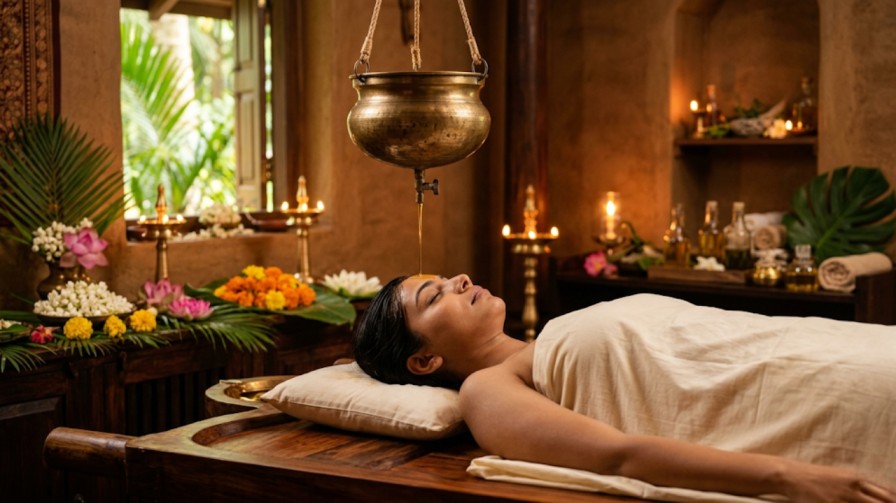
The continuous pouring of warm medicated oil over the forehead creates a profound neurological calming effect. For conditions involving tremor, anxiety, cognitive disturbance, sleep disruption, and emotional volatility — all common features of neurological disorders — Shirodhara provides a level of nervous system relief that is unique to Ayurveda.
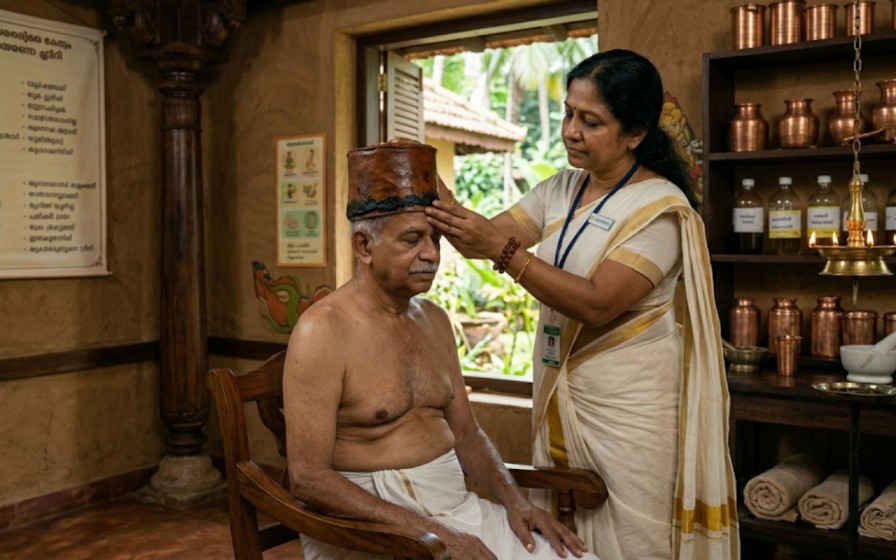
Warm medicated oil is retained in a specially constructed boundary placed around the head for a prescribed period. This concentrated therapy directly nourishes the cranial nerves, brain tissue, and scalp — offering specific benefits for conditions such as facial paralysis, optic neuropathy, and cognitive impairment.
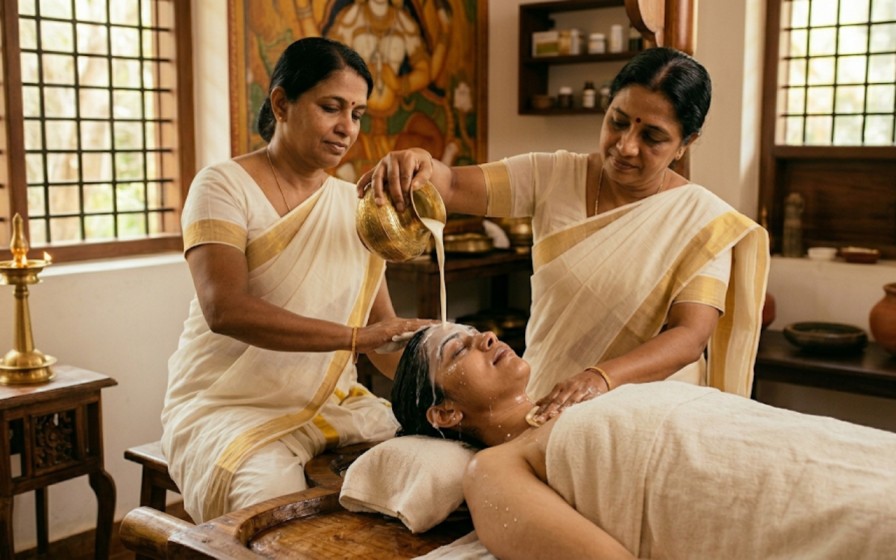
A variation of Shirodhara using medicated milk, Ksheeradhara is particularly indicated for neurological conditions with significant heat (Pitta) component, inflammatory features, or for conditions in children. It is deeply soothing, nourishing, and effective for sensory hypersensitivity.
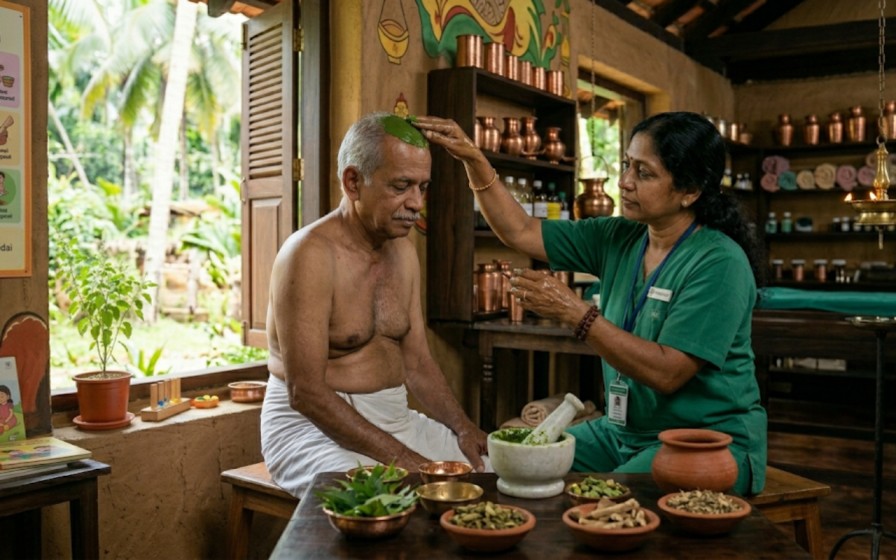
A cooling herbal paste is applied to the scalp and head — a therapy particularly effective for headache disorders, hyperactive neurological conditions, memory loss, and insomnia associated with neurological disease.
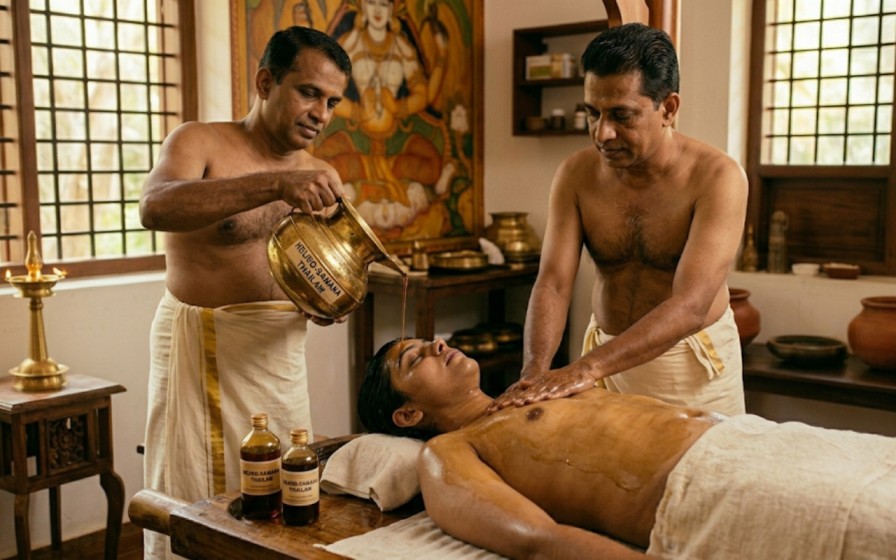
For neurological conditions, the choice of medicated oil in Abhyanga is critical. Our physicians select oils from classical formulations such as Mahanarayana Taila, Dhanwantaram Taila, Karpasasthyadi Taila, and others — each with specific affinity for certain neurological pathways and conditions.
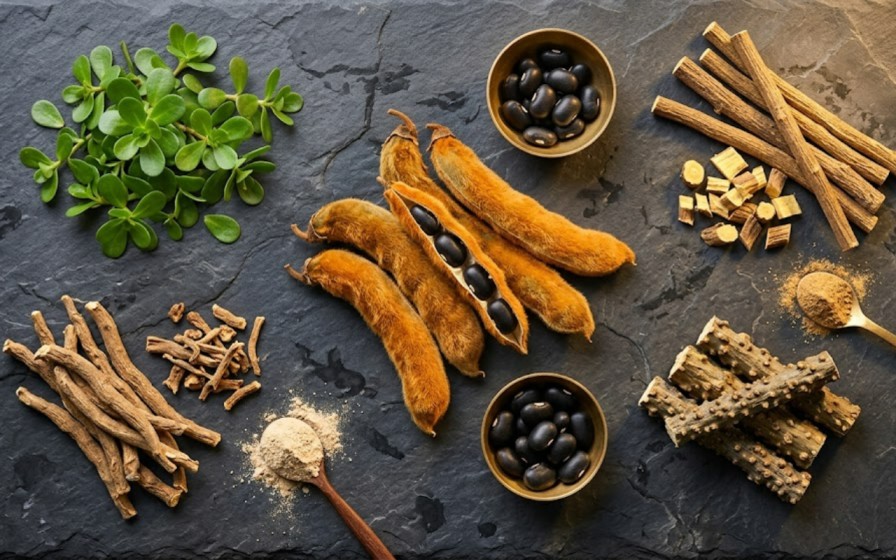
Our Rasayana protocols for neuro rehabilitation draw on formulations with established neuro-regenerative properties. Brahmi (Bacopa monnieri), Ashwagandha (Withania somnifera), Shatavari, Bala, Kapikacchu (Mucuna pruriens), Yashtimadhu (Glycyrrhiza glabra), and Guduchi are among the herbs our physicians employ — selected individually based on the patient’s constitution, condition, and stage of treatment.
Experienced, Dedicated Ayurvedic Physicians
Our physicians are not generalists applying a basic Ayurvedic framework to complex neurological conditions. They are specialists — practitioners who have spent years studying and treating Vatavyadhi and who remain current with both classical scholarship and emerging research in integrative neurology.
Modern Diagnostic Collaboration
We work with the patient’s existing neurological diagnoses, imaging, and reports. Our physicians integrate modern diagnostic understanding with Ayurvedic assessment — ensuring that classical treatments are applied with full awareness of the biomedical picture.
Authentic Traditional Therapies in a Safe Environment
Our treatment facility is designed to provide classical Panchakarma therapies in conditions that meet both safety and authenticity standards. Therapy rooms, oil preparation, and treatment protocols follow classical specifications — ensuring that what we offer is genuine, not a commercialised approximation.
Transparent Communication and Family Support
For neurological conditions — where families often carry as much emotional weight as the patient — clear, honest, and compassionate communication is essential. Our physicians maintain open dialogue with patients and caregivers, setting realistic expectations and celebrating every step of progress.
Families who choose Nivera Ayur Care for neuro rehabilitation do so because they are looking for more than a treatment centre — they are looking for a clinical partner who will invest genuinely in their loved one’s recovery. Here is what that means in practice:
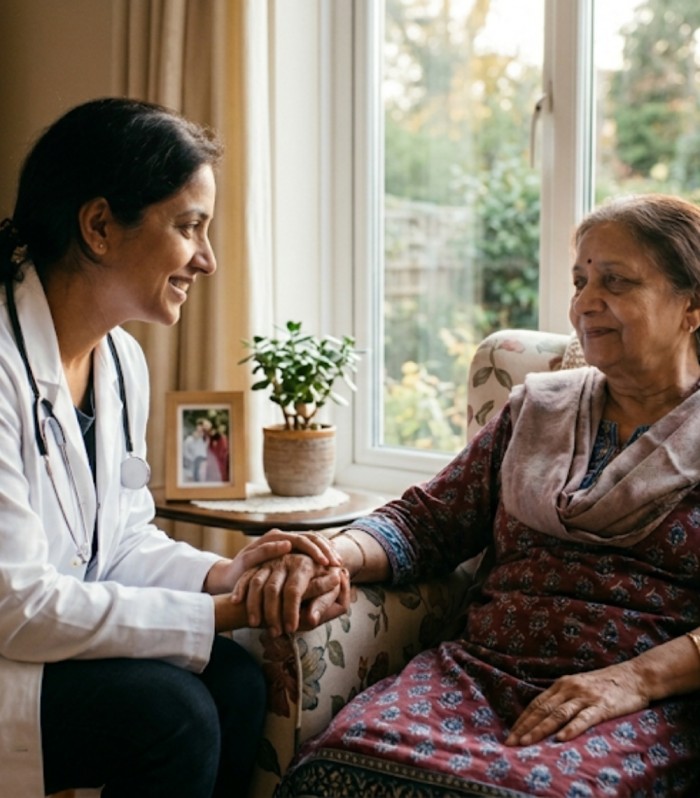
Personalised Care — No Standard Packages
At Nivera Ayur Care, we do not sell standard ‘packages’. Every patient receives an individual assessment, an individual treatment plan, and individual follow-up. The cost, duration, and combination of therapies reflect what each patient actually needs — not what is easiest to sell.
Documented Patient Outcomes
We maintain detailed records of treatment outcomes across our patient population. Real patient success stories — obtained with full consent — are available on our website and shared during consultations. We believe trust is earned through evidence, not advertising.
Yes. Ayurvedic treatment for Parkinson’s disease — known as Kampavata — focuses on pacifying aggravated Vata dosha through Basti therapy, Abhyanga, Shirodhara, and specific herbs such as Mucuna pruriens (Kapikacchu), which contains natural L-DOPA. While Ayurveda does not reverse neurodegeneration, it can significantly reduce tremor severity, improve muscle rigidity, enhance quality of life, and slow functional decline when treatment is consistent.
Children with cerebral palsy respond well to early and consistent Ayurvedic rehabilitation. Therapies such as Njavarakizhi, Abhyanga, and Pizhichil help reduce spasticity, strengthen muscles, and support motor development. Paediatric Rasayana formulations support neurological growth. Our physicians are experienced in treating children and design programmes that are age-appropriate, gentle, and effective.
Yes, with appropriate physician oversight. Elderly patients often present with multiple concurrent conditions and may be on several medications. Our physicians review each patient’s full clinical picture before prescribing treatment, selecting therapies and herbal formulations that are appropriate for their age, constitution, and health status. Safety monitoring is a continuous part of our clinical practice.
In most cases, yes. Our approach is integrative — we work alongside modern neurological care, not in opposition to it. We routinely advise patients who are on anticonvulsants, dopaminergic medications, or other neurological drugs, and we select Ayurvedic therapies and herbs that are compatible with their existing treatment regimen.
Results vary based on the condition, its duration, and the individual patient. In general, patients who undergo a complete, consistent course of treatment at Nivera Ayur Care experience measurable improvements in motor function, sensory restoration, cognitive clarity, and quality of daily life. We maintain honesty about the limitations of treatment and focus on achievable, meaningful progress for each individual.
Your recovery journey deserves the best possible care — care that treats you as a whole person, not a condition. At Nivera Ayur Care, our doors are open to stroke survivors and their families seeking a path back to strength, speech, and independence.
Contact us today to speak with one of our physicians, ask your questions, and understand how we can design a recovery programme specifically for you.
© 2026 Nivera Ayur Care. All Rights Reserved.