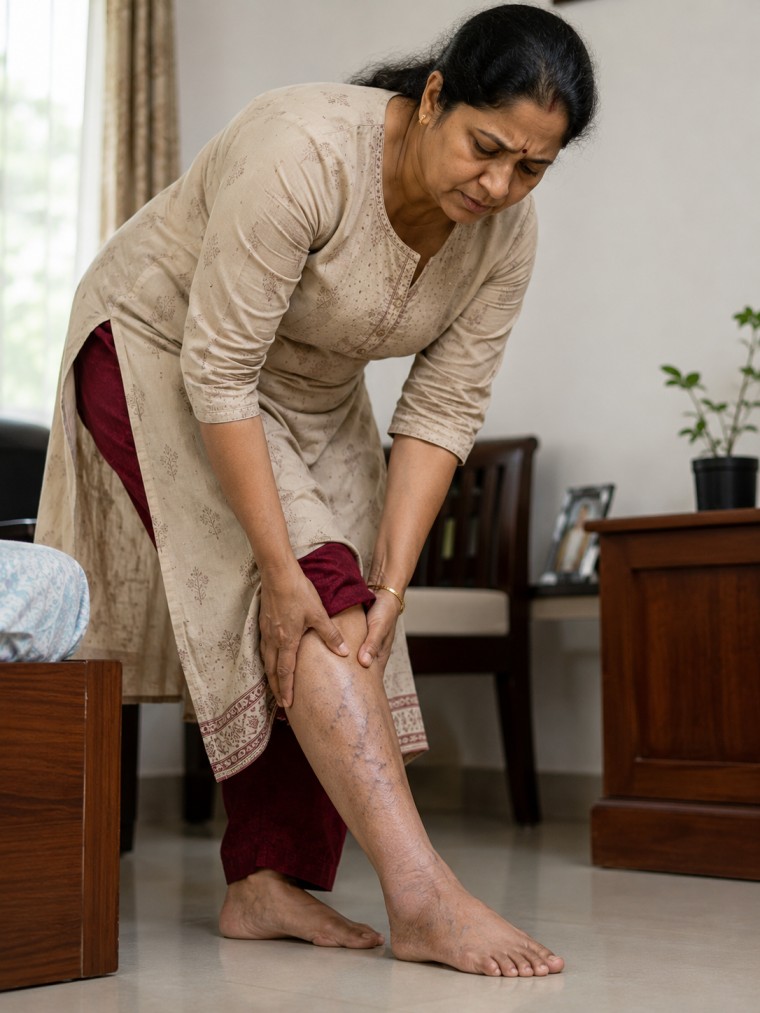
Varicose veins — those visible, twisted, aching veins that swell beneath the skin of your legs — are far more than a cosmetic concern. For many people, they mean constant heaviness, burning pain, relentless fatigue in the legs, and the fear of what happens if they are left untreated. Surgery feels daunting. Compression stockings only manage the surface. The root cause remains unaddressed.
At Nivera Ayur Care, Kochi, we offer a different answer — one that has existed in classical Ayurvedic medicine for over two thousand years. Our physician-led Ayurvedic programme for varicose veins targets the condition at its root: vitiated Rakta (blood), impaired venous circulation, and the underlying Vata-Pitta imbalance that weakens vein walls and disrupts blood return to the heart. The result is lasting relief — without surgery, without hospitalisation, and without the risks of invasive procedures.
If you are looking for varicose vein treatment in Kochi that is safe, natural, and genuinely effective — you are in the right place.
Ayurvedic therapies deliver lasting relief without surgical intervention or hospitalisation
Raktamokshana, Jalauka, Siravyadha & Lepanam — prescribed in classical Ayurvedic texts
Every programme designed and supervised by experienced Ayurvedic physicians
No standard packages — each patient assessed and treated individually
Treats underlying Vata-Pitta imbalance and venous insufficiency — not just symptoms
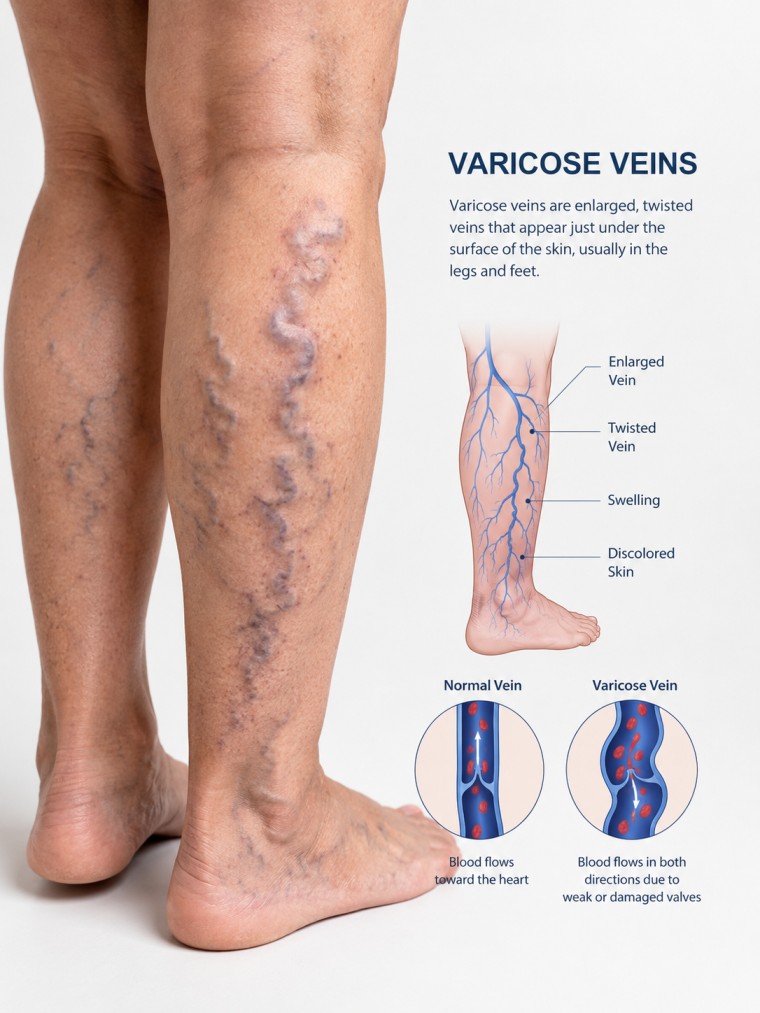
Varicose veins are abnormally enlarged, twisted veins that become visible beneath the surface of the skin — most commonly in the legs and feet. They develop when the one-way valves inside the veins weaken or fail, allowing blood to flow backwards and pool in the vessel. This pooling causes the vein wall to stretch, dilate, and eventually lose its structural integrity — producing the characteristic bulging, rope-like appearance seen beneath the skin.Varicose veins affect a significant proportion of adults — with prolonged standing, pregnancy, obesity, genetics, and advancing age among the primary risk factors. In Kerala, where professions requiring long hours of standing — including nursing, teaching, catering, and retail — are prevalent, varicose vein disease is a particularly common and often undertreated concern.
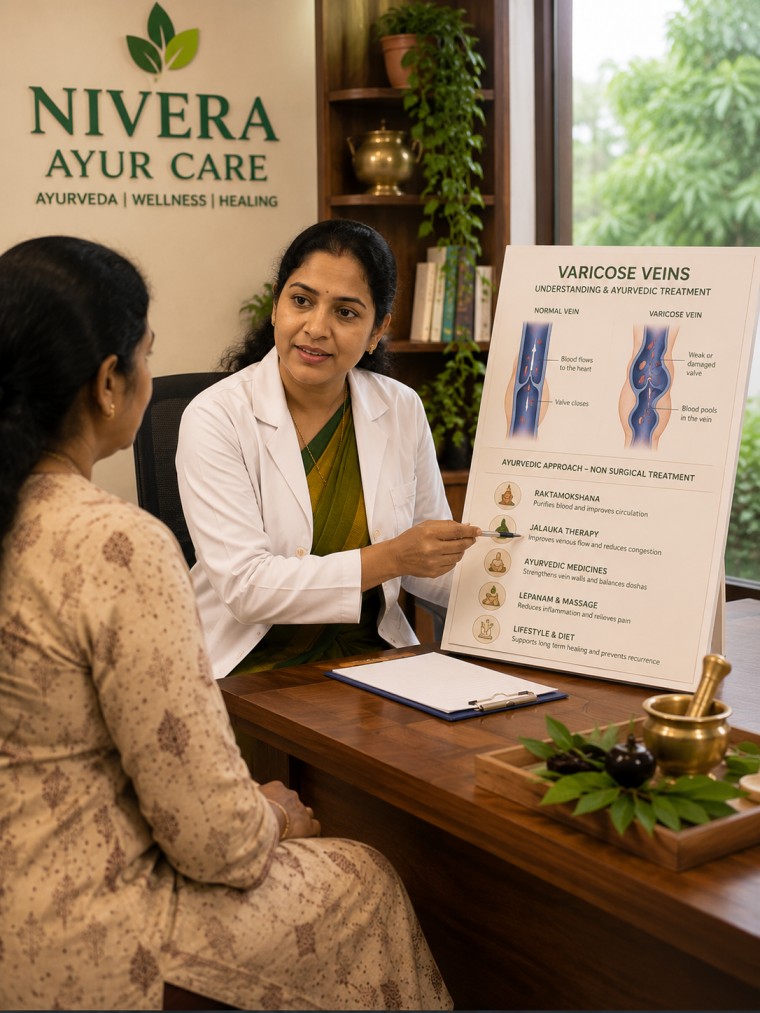
In classical Ayurvedic texts, varicose veins are described under the condition known as Siraja Granthi — 'Siraja' referring to the veins and tubular channels of blood flow, and 'Granthi' denoting a swollen, knotted, cyst-like formation. Ayurveda identifies this condition as arising from a Tridoshic (three-dosha) disturbance — with Vata dosha playing the primary role.Vata governs all movement and circulation in the body — including the upward return of venous blood to the heart against gravity. When Vata becomes aggravated and depleted in quality, the veins lose their tone, elasticity, and upward-driving force. Blood stagnates in the lower limbs. Simultaneously, vitiated Pitta — which governs blood quality and inflammation — corrupts the Rakta (blood) and the vessel walls, producing pain, discolouration, burning, and the risk of ulceration. Kapha further contributes to the heaviness, oedema, and sluggishness that characterises advanced venous disease.This multi-dosha framework explains why varicose veins produce such a varied and complex symptom picture — and why Ayurvedic treatment, which addresses all three doshic imbalances simultaneously, offers such a comprehensive therapeutic response.
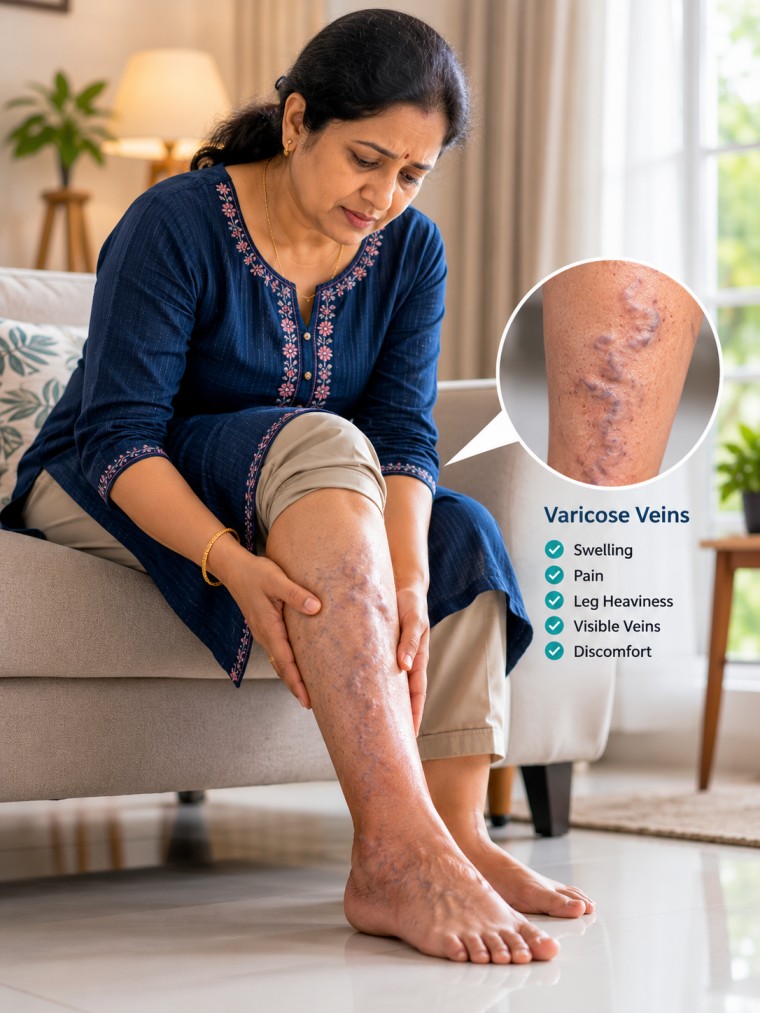
Varicose veins are a progressive condition. Without treatment, they do not resolve spontaneously — and in a significant proportion of patients, they worsen over time, leading to skin changes, ulceration, and complications. Early Ayurvedic intervention consistently prevents progression and produces the most complete recovery.
Varicose veins present across a spectrum of severity — from mildly visible veins with minor discomfort, to severely dilated, painful veins with skin changes and ulceration. Early identification and treatment consistently produces better outcomes. If you are experiencing any of the following, an Ayurvedic assessment at Nivera Ayur Care is strongly recommended:
Visible, twisted, bluish-purple veins on the legs — particularly behind the knees, the inner calf, or thigh
Persistent heaviness, aching, or tiredness in the legs — worsening after prolonged standing or sittingh
Burning or throbbing sensation along the vein
Swelling in the lower legs and ankles — particularly in the evening
Swelling in the lower legs and ankles — particularly in the evening
Skin itching or irritation directly around the affected vein
Muscle cramps in the legs — especially at night
Spider veins (smaller, web-like red or purple vessels visible near the skin surface)
Skin discolouration (browning or darkening) around the ankle and lower leg
Hard, thickened, or leathery skin texture around the calf or ankle (lipodermatosclerosis)
Venous eczema — dry, itchy, inflamed skin over the affected area
Venous leg ulcers — open sores that heal slowly or not at all
Bleeding from a varicose vein following minor injury
Sudden increase in pain, redness, or warmth over a vein (may indicate superficial thrombophlebitis)
The conventional approach to varicose veins — compression stockings, sclerotherapy, laser ablation, or surgical stripping — focuses primarily on removing or sealing the affected vein. These approaches are often effective for the treated vein but do not address the underlying venous insufficiency, circulatory weakness, or systemic factors that led to varicose vein development in the first place. Recurrence rates after conventional treatment are significant.Ayurvedic treatment at Nivera Ayur Care takes a fundamentally different approach:
Ayurveda identifies the root of varicose vein disease in a combination of Vata-Pitta imbalance, compromised venous valve function, impaired blood quality (Rakta Dushti), and aggravated Pitta spreading through the Raktavaha Srotas (blood-carrying channels). Our treatment addresses all of these simultaneously — reducing the likelihood of recurrence in untreated veins.
Ayurvedic treatment for varicose veins at Nivera Ayur Care is entirely non-surgical. Treatments are administered in an outpatient or short-stay setting. Patients resume normal activity between sessions. There are no surgical risks, no general anaesthesia, and no prolonged hospitalisation.
Classical Ayurvedic texts — including Sushruta Samhita, the foundational text of Ayurvedic surgery — prescribe Raktamokshana (therapeutic bloodletting) as the primary treatment for Siraja Granthi. Of the Raktamokshana methods available, Jalauka (leech therapy) is described as the most effective, safe, and preferred approach for venous conditions. Medicinal leeches secrete hirudin — a natural anticoagulant — along with hyaluronidase, vasodilators, and anti-inflammatory compounds that directly improve local venous circulation, reduce engorgement, and break the stagnation that perpetuates varicose vein disease.
Beyond treating the visible varicosity, Ayurvedic internal medicines — Kaishora Guggulu, Triphala Guggulu, Sariva, Manjistha, Punarnava, and Guduchi — work systemically to purify the Rakta, reduce inflammation, strengthen vein walls, and improve venous return throughout the body. This systemic action significantly reduces the development of new varicosities.
All Ayurvedic therapies and herbal formulations at Nivera Ayur Care are natural, classical, and physician-prescribed. They are appropriate for long-term management of venous disease — unlike invasive procedures that cannot be indefinitely repeated.
Varicose vein disease is classified by the internationally recognised CEAP system across six stages of increasing severity. Ayurvedic treatment at Nivera Ayur Care is effective across all stages — though the approach, intensity, and combination of therapies is adapted based on the clinical stage at presentation.
Spider veins and small reticular veins. Managed effectively with Lepanam, Abhyanga, and internal medications. Full resolution is achievable.
Visible, bulging varicose veins without oedema or skin changes. Primary treatment: Jalauka (leech therapy) + Siravyadha + Vasti + internal medicines. Excellent outcomes.
C3 — Oedema Swelling of the ankle and lower leg. Jalauka + Udvartana + Upanaha + Punarnavadi formulations. Significant oedema reduction with consistent treatment.
Pigmentation, eczema, lipodermatosclerosis. Raktamokshana + Lepanam + targeted internal medicines. Skin health improves substantially with a full course.
History of venous ulceration, now healed. Preventive programme to avoid recurrence — Vasti + Abhyanga + maintenance internal medicines.
History of venous ulceration, now healed. Preventive programme to avoid recurrence — Vasti + Abhyanga + maintenance internal medicines.
Open venous ulcer. Jalauka on surrounding veins + Lepanam directly on wound + wound care herbs + systemic blood purification. Co-management with modern wound care team recommended.
Every treatment at Nivera Ayur Care is prescribed by our experienced Ayurvedic physicians after a thorough individual assessment. No treatment is initiated without a clinical evaluation of the patient's condition, constitution, and overall health status.
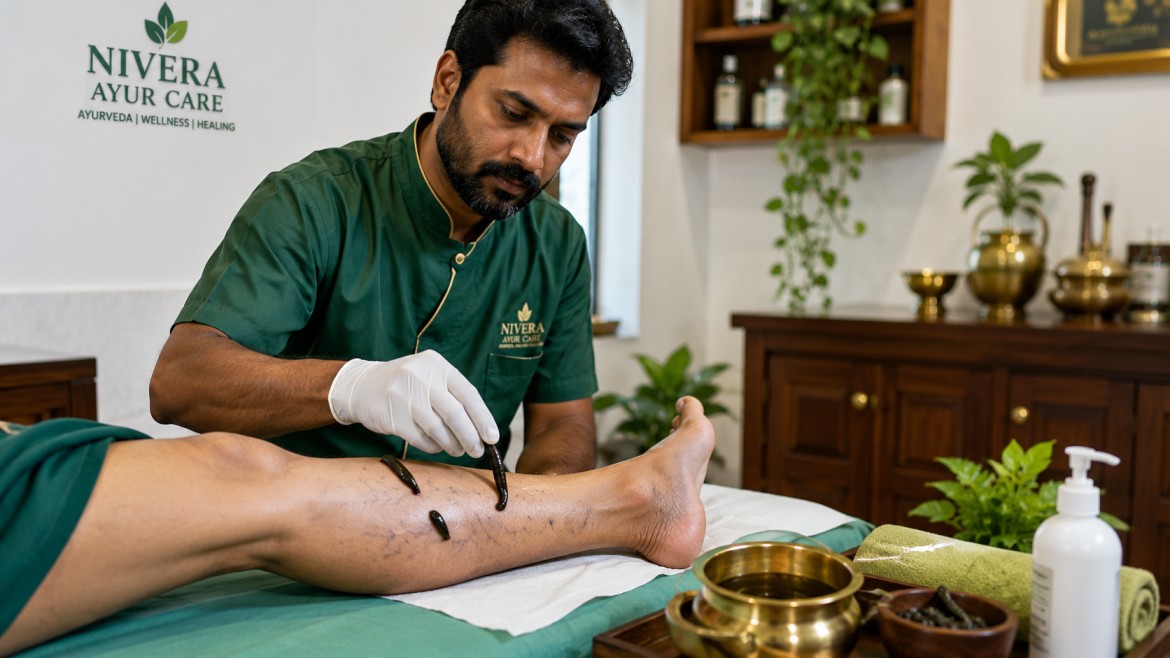
The cornerstone of Ayurvedic treatment for Siraja Granthi. Medicinal leeches — sourced from controlled, certified suppliers and used only once per patient — are applied directly to the affected varicose vein clusters. Each leech attaches to the skin and draws a precisely determined volume of vitiated, stagnant blood from the affected area. As they feed, leeches secrete a complex mixture of therapeutic salivary compounds including:
Hirudin — a powerful natural anticoagulant that prevents blood clotting and improves venous flow
Hyaluronidase — which improves tissue permeability and aids absorption of other therapeutic compounds
Vasodilators — which widen local blood vessels, improving circulation to the affected area
Destabilase — which dissolves micro-thrombi (tiny blood clots) that form within varicose veins
Anti-inflammatory enzymes — which reduce local swelling, pain, and venous inflammation
After the leech detaches naturally, the wound site is treated with classical Ayurvedic antiseptic preparations including turmeric paste and herbal powders. The site is monitored until fully healed. Sessions are typically spaced every 7 to 14 days, with the number of sessions determined by the severity of the condition.x`
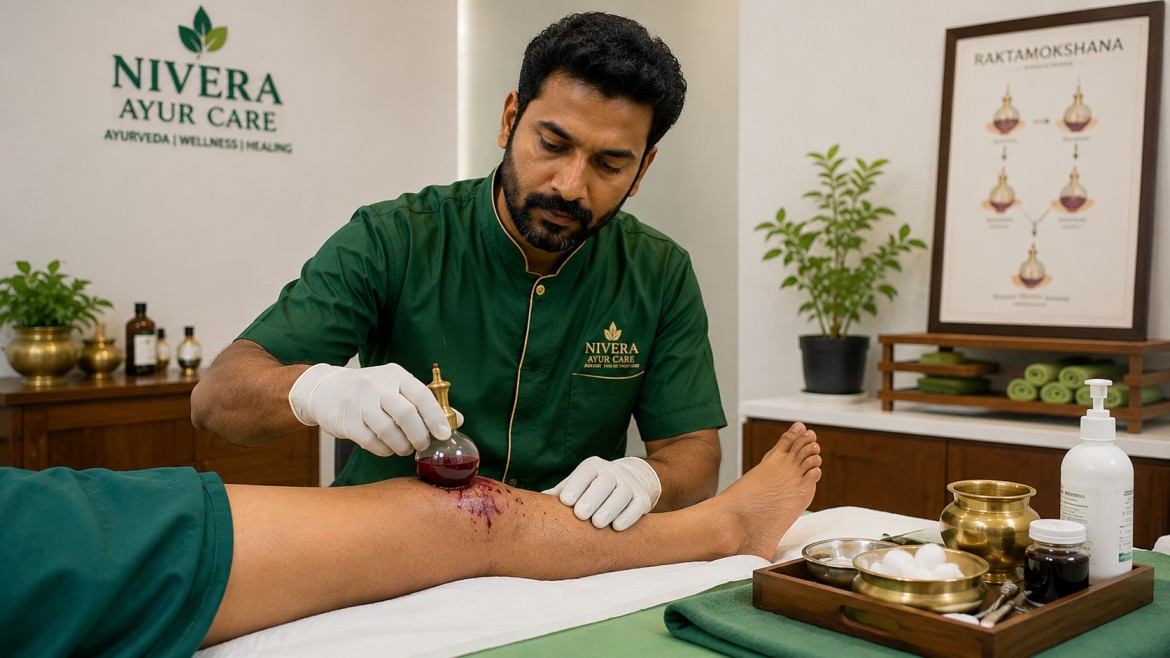
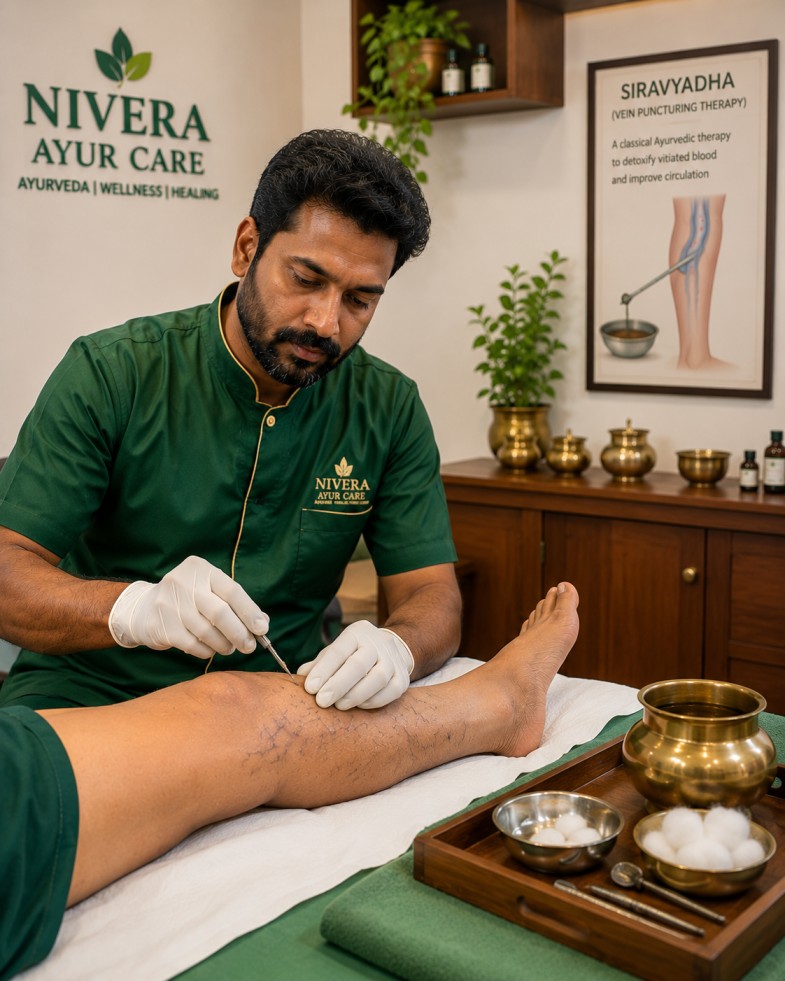
A classical Ayurvedic surgical procedure described in Sushruta Samhita — involving a precise, minimal puncture of the affected varicose vein at a therapeutically identified point, allowing a measured quantity of vitiated blood to be released. Siravyadha achieves an immediate reduction in venous pressure, relief from pain and heaviness, and stimulates the restoration of normal venous flow. It is particularly indicated for larger, more prominent varicose veins where Jalauka may not achieve sufficient drainage.The procedure is performed by our physicians under strict aseptic conditions. It is brief, precise, and well-tolerated by the vast majority of patients.
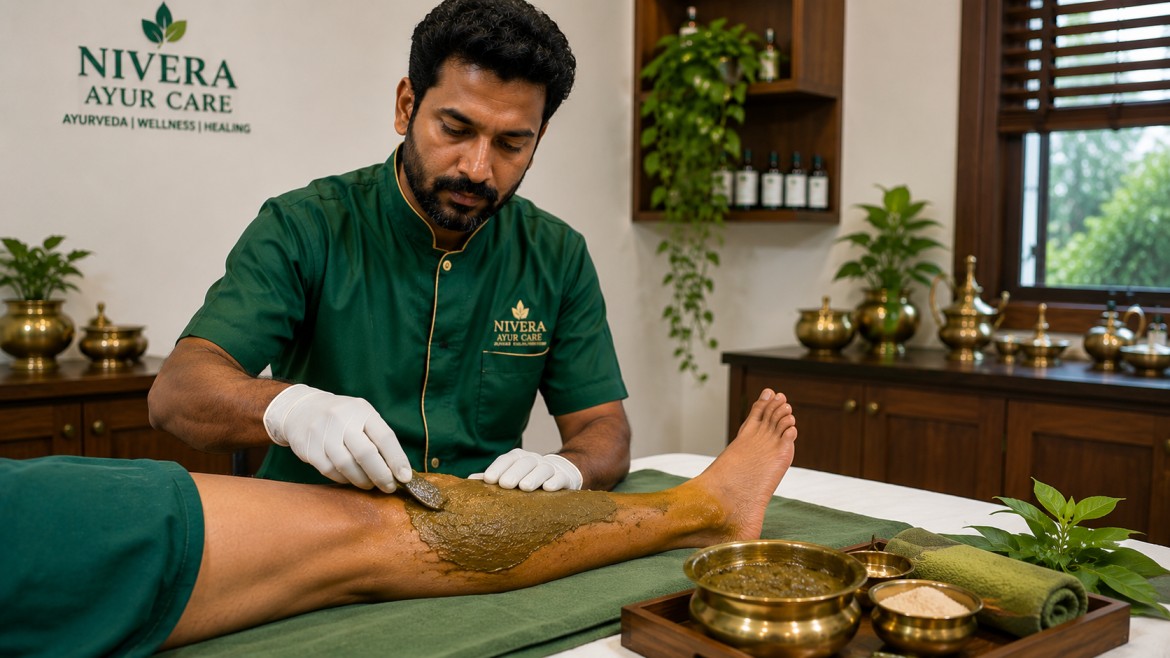
Our experienced Ayurvedic physicians prescribe every treatment at Nivera Ayur Care after a thorough individual assessment. No treatment is initiated without a clinical evaluation of the patient's condition, constitution, and overall health status.
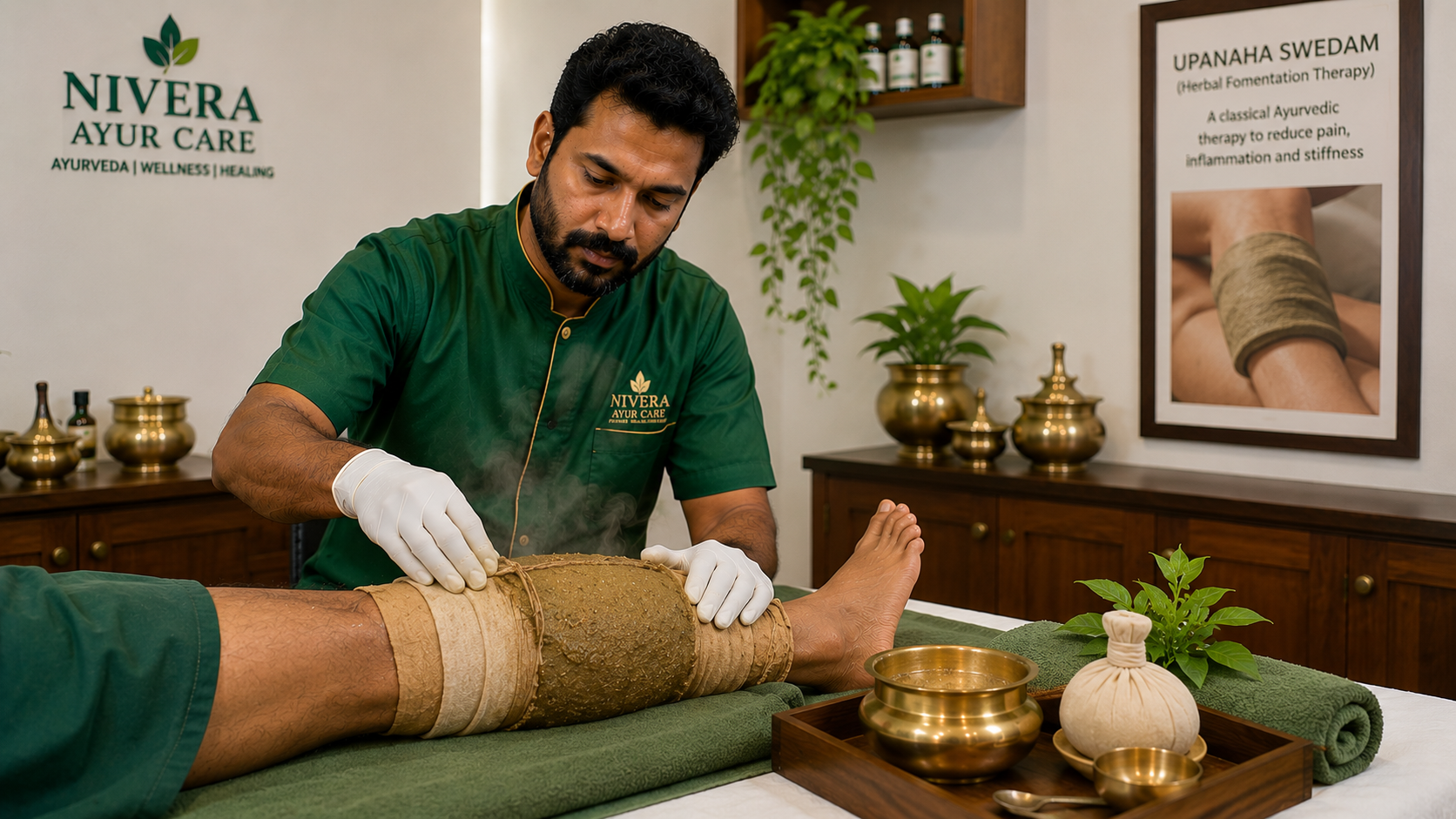
A warm, medicated herbal paste is applied to the lower legs and wrapped for a prescribed duration. The combination of gentle heat and the pharmacological action of specific herbs reduces oedema, improves lymphatic drainage, relieves muscle cramps, and supports venous tone. Upanaha Swedam is particularly effective for patients with significant leg swelling, heaviness, and skin changes associated with chronic venous insufficiency.
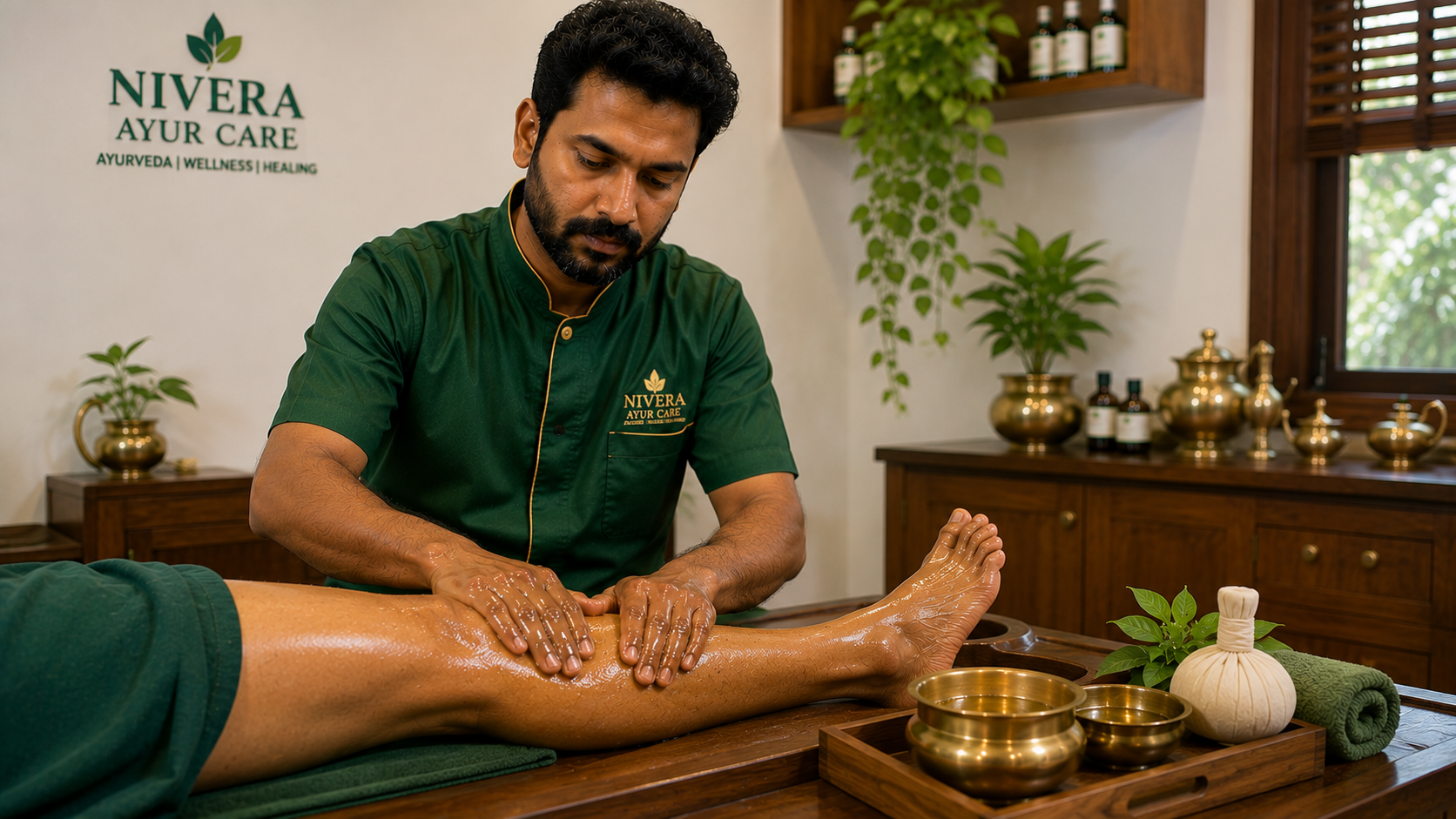
A carefully calibrated, gentle oil massage using specifically selected medicated oils — including Sahacharadi Taila, Pinda Taila, and Yashtimadhu Taila — applied to the affected and surrounding areas. The direction of massage is critically important: it must always be performed upward (toward the heart) to support venous return, never downward. Abhyanga with these formulations reduces venous congestion, improves peripheral circulation, relieves pain and heaviness, and nourishes the depleted Vata in the vessel walls.
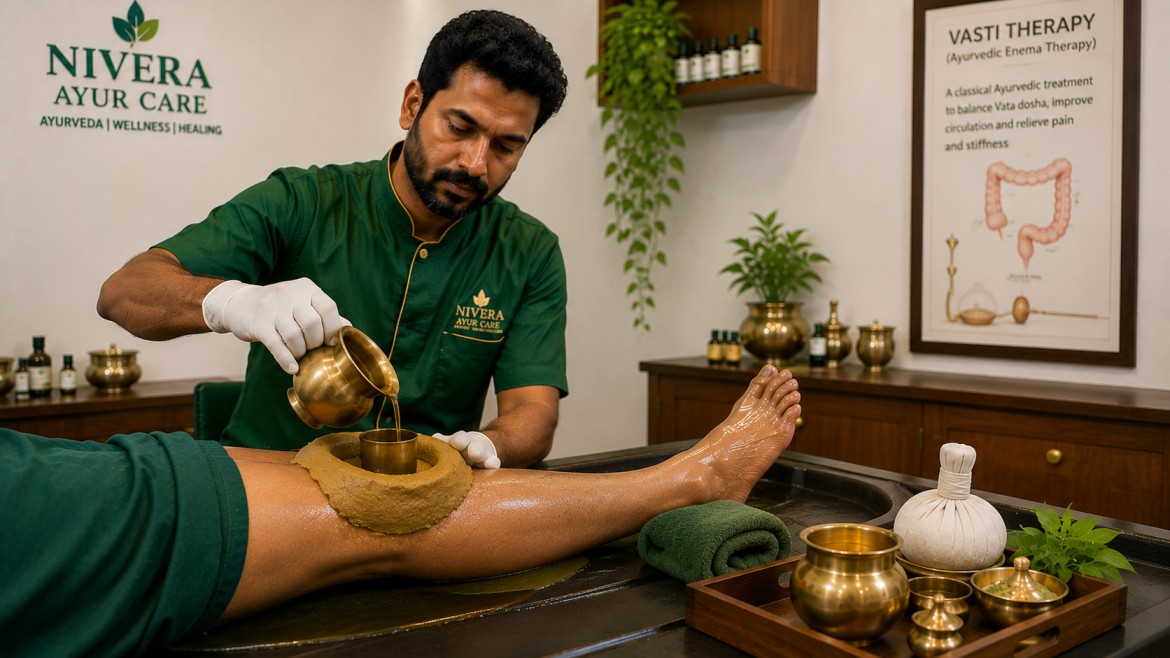
Vasti — the king of Vata-pacifying therapies — is included in the treatment programme for varicose veins where the underlying Vata disturbance is significant and systemic. Medicated oil Vasti nourishes the nervous and vascular tissue systemically, corrects the root Vata imbalance responsible for venous valve weakness, and supports the structural integrity of blood vessel walls throughout the lower body. Karma Vasti (a structured 15-day course) is typically recommended as a component of comprehensive varicose vein management.
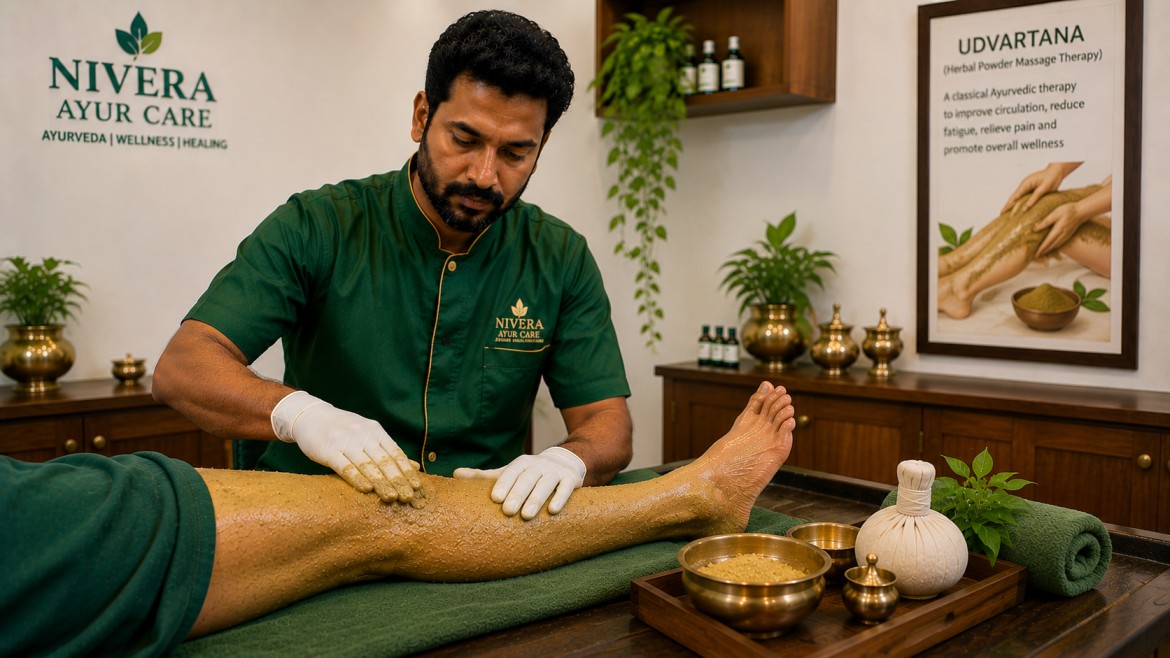
A dry, vigorous upward-direction massage using selected Ayurvedic herbal powders — including Trikatu, Triphala, and Kolakulatthadi Churna. Udvartana powerfully stimulates lymphatic drainage, reduces Kapha-related stagnation and oedema, improves peripheral circulation, and addresses the heaviness and fluid retention frequently accompanying varicose vein disease. It is prescribed for patients with significant oedema and Kapha involvement alongside the venous condition.
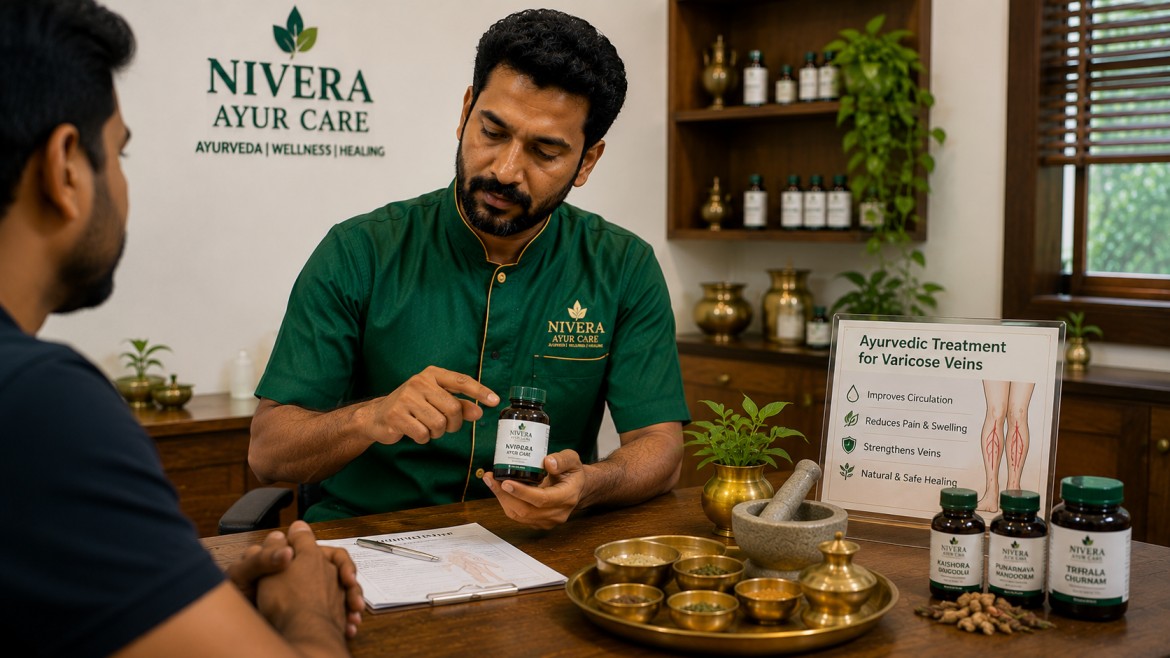
Classical Ayurvedic oral formulations are prescribed alongside all external therapies to achieve systemic blood purification, reduce inflammation, strengthen vein walls, and prevent recurrence. Key formulations used at Nivera Ayur Care include:
Kaishora Guggulu — primary blood purifier (Rakta Shodhaka) with anti-inflammatory and Pitta-pacifying action, specifically indicated in classical texts for vascular and skin conditions
Triphala Guggulu — combines the vascular-strengthening action of Guggulu with the systemic detoxification of Triphala; particularly useful in chronic varicose vein disease with oedema
Punarnavadi Kashayam — reduces oedema (Shopha), improves renal clearance, and supports systemic venous drainage
Sarivadyasava — a classical fermented formulation with specific affinity for Rakta Dhatu purification and vascular health
Varanadi Kashayam — indicated in Sira-related (vascular) conditions; reduces Kapha-Vata involvement in venous disease
Manjistadi Kashayam — primary Rakta Shodhaka (blood purifier) targeting Pitta-Rakta vitiation
Triphala Churna — systemic detoxification and Agni restoration; supports bowel regularity which reduces lower limb venous pressure
At Nivera Ayur Care, we understand that varicose vein management extends beyond the clinic. Our physicians provide every patient with detailed, practical guidance on the dietary and lifestyle modifications that directly support vein health, reduce symptom severity, and prevent the development of new varicosities.
Increase Vata and Pitta-pacifying foods — warm, easily digestible meals; ghee; cooked vegetables; whole grains
Include blood-purifying foods — bitter gourd (karela), drumstick leaves, turmeric, fresh coriander, pomegranate
Increase dietary fibre — to maintain regular bowel function and reduce abdominal pressure on leg veins
Reduce Pitta-aggravating foods — excess spice, sour foods, fermented foods, alcohol, and red meat
Reduce Kapha-aggravating foods — heavy, oily, processed, and cold foods that worsen oedema and stagnation
Stay well hydrated — dehydration thickens the blood and worsens venous stagnation
Avoid prolonged fasting — irregular eating aggravates Vata and worsens circulatory disturbance
Avoid prolonged fasting — irregular eating aggravates Vata and worsens circulatory disturbance
Elevate the legs above heart level for 15 to 20 minutes, 2 to 3 times daily — significantly reduces venous pressure
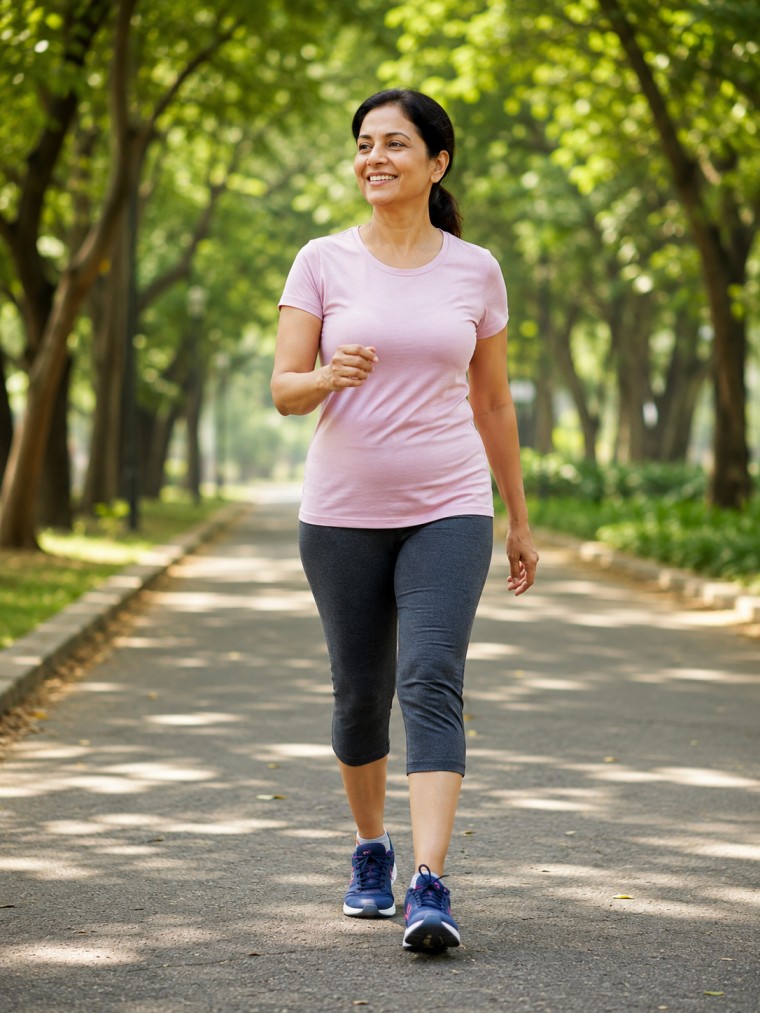
Walk regularly — 30 to 45 minutes of daily walking is the single most effective lifestyle intervention for venous return
Swimming and cycling — low-impact activities that promote venous return without excessive weight-bearing on the legs
Avoid high heels — flat or low-heeled footwear allows the calf muscle pump to function more effectively
Avoid tight clothing around the waist or legs — constriction increases venous pressure
Maintain healthy body weight — every additional kilogram increases pressure on leg veins
Daily home Abhyanga — 10 to 15 minutes of gentle upward leg massage with Sahacharadi Taila before bathing supports venous drainage
Viparita Karani (Legs-Up-the-Wall pose) — the most effective yoga posture for venous drainage; hold for 5 to 15 minutes daily
Sarvangasana (Shoulder Stand) and Halasana — if appropriate for the patient's overall health; excellent for reversing venous stagnation
Pawanmuktasana series (joint freeing exercises) — improves calf muscle pump function
Pranayama — Nadi Shodhana (alternate nostril breathing) and Anuloma Viloma to balance Vata and improve systemic circulation
Avoid Kapalbhati and Bhastrika — the increased abdominal pressure in these pranayamas can worsen varicose vein symptoms
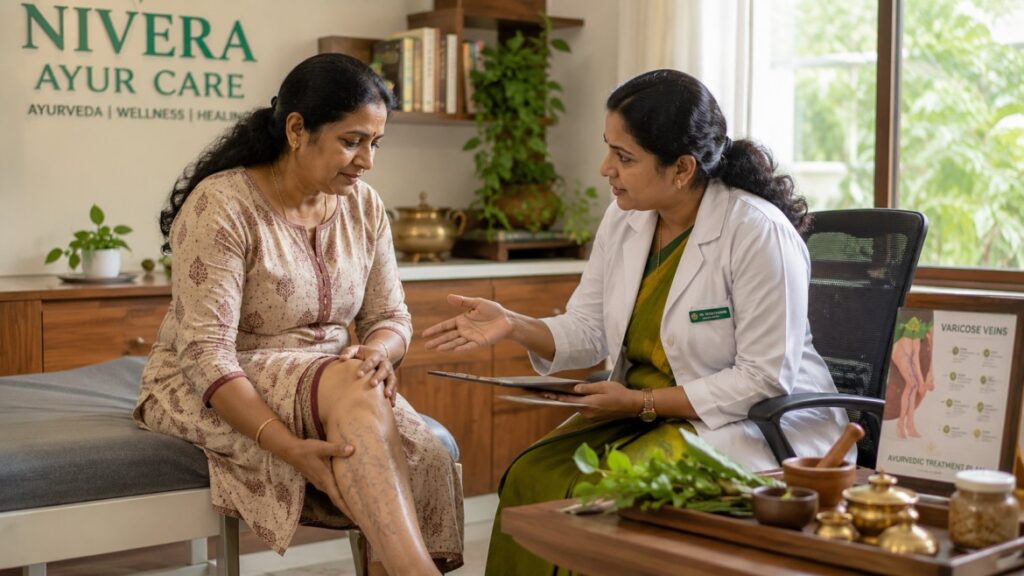
Varicose veins are a progressive condition. Without treatment, they do not resolve spontaneously — and in a significant proportion of patients, they worsen over time, leading to skin changes, ulceration, and complications. Early Ayurvedic intervention consistently prevents progression and produces the most complete recovery.
Every patient presenting with varicose veins at Nivera Ayur Care undergoes a thorough clinical assessment by our senior Ayurvedic physicians — including evaluation of the varicose vein stage, extent of involvement, underlying dosha imbalances, constitution, and overall health status. No treatment is prescribed without this assessment. No patient receives a generic protocol.
Jalauka (leech therapy) and Siravyadha are classical Ayurvedic procedures that require medical training, precision, and proper post-procedure care to be effective and safe. At Nivera Ayur Care, both procedures are performed exclusively by trained physicians and supervised therapists — never by unqualified staff. Our leeches are sourced from certified clinical suppliers, used only once, and disposed of safely. Wound care and monitoring after each session are rigorously maintained.
The herbal medicines prescribed at Nivera Ayur Care — Kaishora Guggulu, Triphala Guggulu, Sarivadyasava, Varanadi Kashayam, and others — are classical, physician-reviewed formulations prepared to traditional standards. We do not use substitute or adulterated preparations.
Our varicose vein programme combines Raktamokshana, external therapies, internal medicines, and lifestyle guidance into a cohesive, structured treatment plan. No single therapy is prescribed in isolation — because varicose vein disease is a systemic condition requiring a systemic response. The combination of approaches delivers results that individual therapies cannot achieve alone.
We are honest with every patient about what Ayurvedic treatment can and cannot achieve for their specific condition. For very advanced varicose vein disease — particularly large, symptomatic truncal varicosities or active deep vein thrombosis — we will advise when Ayurvedic treatment should complement rather than replace modern vascular assessment. Patient safety and genuine outcomes always take precedence over commercial considerations.
A thorough assessment by our senior physician — reviewing your symptoms, medical history, current medications, and performing clinical examination of the affected veins. Nadi Pariksha (Ayurvedic pulse diagnosis) identifies the underlying dosha imbalance driving your condition. Doppler ultrasound or other diagnostic reports you have are reviewed. An honest assessment of the severity of your condition and the achievable outcomes with Ayurvedic treatment is provided.
A structured programme is designed — specifying the therapies (Jalauka, Siravyadha, Lepanam, Vasti, Udvartana), the internal herbal formulations, the number and frequency of sessions, dietary guidance, and lifestyle modifications. The complete plan — including costs and timeline — is explained before treatment begins.
Your therapy sessions are administered at the frequency prescribed by your physician. Jalauka and Siravyadha sessions are typically conducted every 7 to 14 days. Other therapies and internal medicines are administered daily or as prescribed. After each session, the treated site is monitored and cared for.
At defined intervals, your physician reviews the response to treatment — assessing changes in vein size, pain levels, oedema, skin condition, and patient-reported quality of life. The programme is adjusted based on your clinical response.
After the primary treatment course, a structured maintenance programme — including periodic Jalauka sessions, continuation of selected internal medicines, and home care guidance — is provided to sustain results and prevent new varicosity development.
Ayurvedic treatment can achieve significant and lasting improvement — and in milder cases (CEAP C1 and C2), a complete resolution of visible varicosities is achievable with a full, consistent treatment course. In more advanced cases, Ayurvedic treatment produces meaningful reduction in size and symptoms, arrests progression, and significantly improves quality of life. The systemic action of Raktamokshana and internal Ayurvedic medicines also addresses the underlying venous insufficiency that causes new varicosities to develop — making recurrence less likely than after conventional procedures that address only the treated vein.
Yes — when administered by a trained physician in a clinical setting, Jalauka is safe, well-tolerated, and highly effective for varicose vein disease. Medicinal leeches are used only once per patient and are sourced from certified clinical suppliers. The leech bite causes minimal discomfort — the leeches secrete a mild anaesthetic along with hirudin, so the site typically becomes numb within seconds. Post-procedure wound care is applied after every session. Allergic reactions are rare and manageable. Jalauka is contraindicated in patients with anaemia, blood disorders, or very low platelet counts — conditions screened for in our pre-treatment assessment.
The number of Jalauka sessions depends on the severity and extent of your varicose vein disease, your response to treatment, and your overall constitution. As a general guide: mild varicose veins (C1–C2) typically require 3 to 5 sessions; moderate varicose veins (C2–C3) require 5 to 8 sessions; advanced disease with skin changes or ulceration (C4–C6) may require 8 to 12 or more sessions with additional combination therapies. Sessions are typically spaced every 7 to 14 days to allow full recovery between treatments. Your physician will provide a more specific estimate after your initial assessment.
Yes — one of the significant advantages of Ayurvedic treatment for varicose veins is that it does not require hospitalisation or extended recovery periods. After a Jalauka session, patients rest at the clinic for 30 to 60 minutes, after which they can return home. Light work can be resumed the following day. We advise avoiding prolonged standing for 24 to 48 hours after a Jalauka or Siravyadha session. Patients whose work requires prolonged standing are advised to discuss scheduling and activity modifications with our physician.
The right approach depends on the individual patient’s condition, severity, and personal preferences. Laser ablation and surgical stripping are highly effective for sealing or removing specific, large affected veins — particularly the great saphenous vein. However, they address only the treated vessel and do not prevent new varicose veins from developing in other vessels. Ayurvedic treatment works systemically — improving overall blood quality, vein wall integrity, and Vata-Pitta balance throughout the venous system — making it less likely that new varicosities develop over time. For patients wishing to avoid surgery, or for those with mild to moderate disease, Ayurvedic treatment offers a compelling non-invasive alternative. Our physicians provide honest guidance on which approach — or combination of approaches — is most appropriate for each patient’s specific clinical picture.
Yes — varicose veins frequently develop or worsen during pregnancy, due to the increased blood volume, progesterone-related relaxation of vein walls, and the mechanical pressure of the growing uterus on pelvic veins. Gentle Ayurvedic measures — including specific medicated oil Abhyanga, appropriate dietary guidance, and leg elevation practices — can significantly relieve symptoms during pregnancy. Jalauka and Siravyadha are not performed during pregnancy. A postpartum Ayurvedic programme, once the patient has recovered from delivery, can address residual varicosities effectively.
The Ayurvedic treatments for varicose veins at Nivera Ayur Care are generally well-tolerated. Jalauka therapy involves a brief sensation at attachment — comparable to a mosquito bite — after which the site becomes numb due to the leech’s anaesthetic secretions. Siravyadha involves a very brief, minimal puncture at the treatment site. Both procedures are monitored throughout by our physician and therapists, who respond immediately to any discomfort. The external therapies — Lepanam, Abhyanga, Upanaha, and Udvartana — are all comfortable and frequently reported as relieving by patients.
The cost of treatment depends on the severity of the condition, the combination of therapies prescribed, and the number of sessions required. We are committed to complete transparency — your physician provides a full, detailed cost breakdown after your initial assessment, before any treatment begins. There are no hidden charges. Please get in touch with us directly at 73064 21699 for information on consultation fees and to schedule your assessment.
Yes — venous leg ulcers associated with chronic venous insufficiency and varicose veins are treated at Nivera Ayur Care through a combination of Jalauka on surrounding varicose clusters, Lepanam with wound-healing Ayurvedic herbs (Haridra, Nimba, Karanja, Triphala), systemic blood purification with internal medicines, and comprehensive lifestyle guidance. For active, extensive ulcers, we strongly recommend co-management with a modern wound care specialist to ensure optimal wound hygiene and dressing alongside the Ayurvedic programme.
Booking is straightforward. Call us at 73064 21699, send us a WhatsApp message at 73064 21699, or email us at info@niveraayurcare.com. Our team will schedule a consultation with our senior Ayurvedic physician at your preferred time. Consultations are available Monday to Saturday during clinic hours. We welcome patients from across Kerala, other Indian states, and internationally.
Varicose veins do not resolve on their own — and waiting only allows the condition to progress. Ayurvedic treatment at Nivera Ayur Care offers you a proven, non-surgical path to relief: targeted, physician-prescribed, and designed for your specific condition.
Whether your varicose veins are mild and cosmetic, or severe and painful — we have a treatment programme that is right for you. Take the first step today. Our physicians are available for consultation six days a week at our clinic in Kochi.
The information provided on this page is intended for general educational purposes only and does not constitute medical advice. Varicose vein disease varies significantly between individuals. Always consult a qualified Ayurvedic or medical physician for a proper diagnosis and personalised treatment plan before beginning any treatment. Nivera Ayur Care's Ayurvedic treatment programmes are complementary healthcare services — patients with active deep vein thrombosis (DVT), severe cardiac conditions, or other acute medical conditions should seek immediate modern medical care.
© 2026 Nivera Ayur Care. All Rights Reserved.