Trying to conceive can be an emotional and physically demanding experience. Many couples in Kerala look for support that addresses the whole person, not only the reproductive system, and Ayurveda offers that kind of approach. This page explains how Ayurvedic fertility management works, what it can and cannot do, which conditions need medical evaluation, and how Ayurveda can be used alongside modern fertility care.
Infertility is generally defined as not becoming pregnant after 12 months of regular, unprotected intercourse. For women aged 35 and over, many doctors recommend seeking evaluation after six months. Infertility can involve either partner, and in many couples more than one factor is involved.
If you have been trying for these periods, or if you have irregular cycles, known reproductive conditions, or a history of miscarriage, speak with a doctor. Early evaluation is important because some causes, such as blocked fallopian tubes or ovulation disorders, can be identified with simple tests and treated effectively.
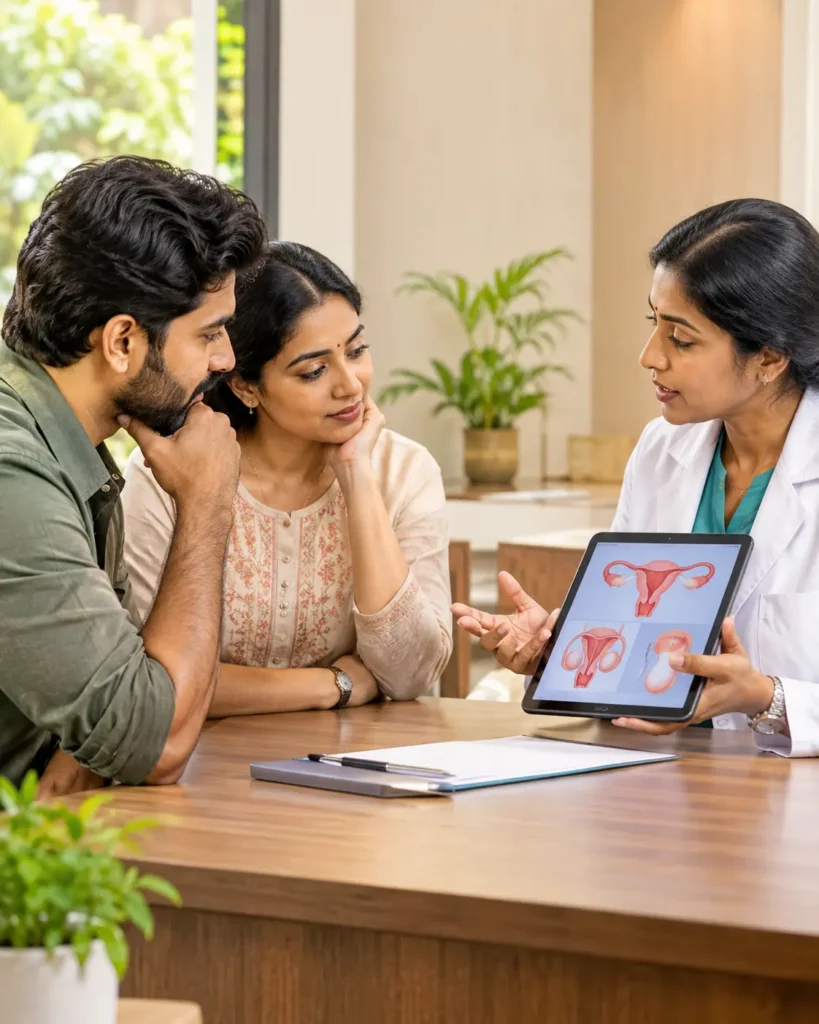
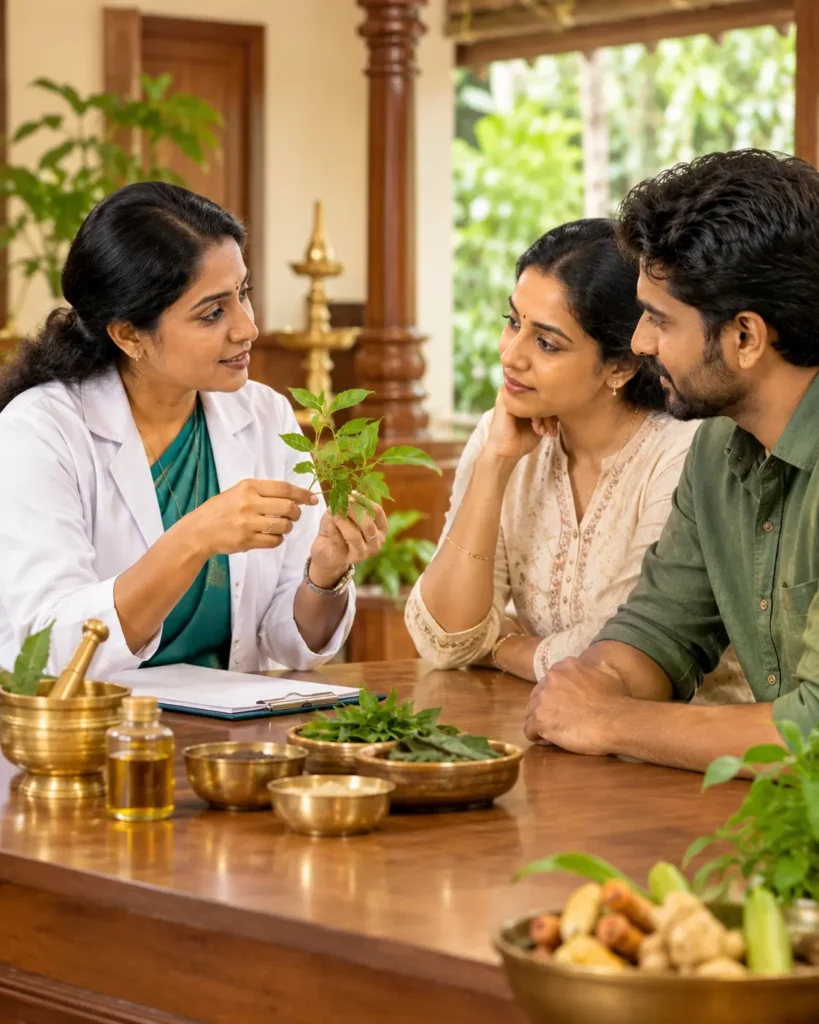
Ayurveda views fertility as the outcome of healthy tissues, balanced doshas, good digestion, and a settled mind in both partners. Traditional texts discuss the health of the reproductive tissues, often described as Artava in women and Shukra in men, and emphasise that these depend on nourishment, digestion, and healthy daily habits.
Ayurvedic fertility management typically involves:
A practitioner reviews your health history, menstrual pattern or sperm health concerns, digestion, sleep, stress, diet, and constitution (prakriti).
Some herbs traditionally used in women’s and men’s health may be recommended, but only after a thorough review of safety and interactions.
Certain cleansing and therapeutic procedures are used in Ayurveda for specific conditions. They should only be performed by qualified practitioners after proper assessment.
Personalised meal guidance focuses on warm, cooked, fresh foods, adequate protein, healthy fats, and regular meal times.
Consistent sleep, gentle movement, and balanced habits are used to support hormonal rhythms.
Breathing practices, meditation, and counselling are used to address the emotional strain of trying to conceive.
These approaches are traditional. They aim to support general reproductive health and wellbeing, and they are not a guaranteed route to pregnancy.
Some causes of infertility require diagnosis and treatment from a fertility specialist or gynaecologist. These include:
Polycystic ovary syndrome (PCOS), which affects ovulation and hormone levels
Endometriosis, which can affect the ovaries, fallopian tubes, and pelvic organs
Blocked or damaged fallopian tubes, often from past infections or surgery
Thyroid disorders and other hormonal conditions
Low sperm count, poor sperm movement, or other male factor issues
Structural problems of the uterus or cervix
Age-related decline in ovarian reserve
Ayurvedic support can complement treatment for many of these conditions, but it should never delay diagnosis. Some conditions, such as blocked fallopian tubes, may require procedures that are beyond the scope of Ayurveda.
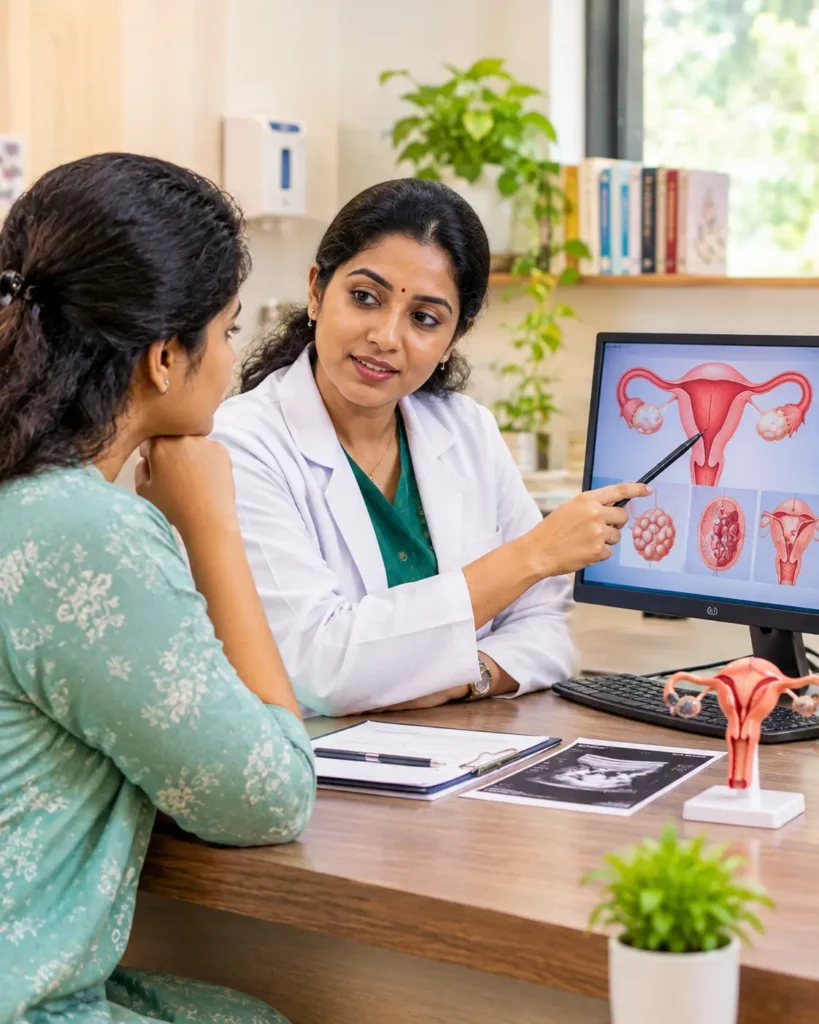

Male fertility is often overlooked. Sperm quality is influenced by diet, body weight, smoking, alcohol, heat exposure, stress, sleep, and some medications. Traditional Ayurvedic guidance for men often includes a balanced diet, regular exercise, adequate sleep, stress reduction, and avoiding excessive heat exposure such as prolonged hot baths or laptops on the lap. A semen analysis is the standard first test for men. If results are abnormal, a urologist or andrologist can advise on further steps. Ayurvedic practices may support general health, but they do not replace medical evaluation of sperm quality.
It is important to be clear about the limits of this service:
Many couples use Ayurveda alongside treatments such as ovulation induction, intrauterine insemination (IUI), or in vitro fertilisation (IVF). If you do this, keep your fertility team informed about every herb, supplement, oil, and procedure you use, since some may interact with medications or affect treatment timing.

Ayurveda can support reproductive health through diet, routine, stress management, and selected therapies. Its effectiveness for infertility has not been established in large, rigorous studies, so it should be considered complementary to medical evaluation and treatment.
This depends on the individual and the underlying cause. Many practitioners plan care over several months, since diet, routine, and hormonal changes take time to show effects.
Yes. A medical evaluation helps identify causes that need specific treatment, and it ensures Ayurvedic care is planned safely.
Men can benefit from general lifestyle guidance and stress management. Sperm quality should be assessed with a semen analysis, and any abnormal results need medical follow-up.
Many couples do. Inform both your fertility specialist and Ayurvedic practitioner about all treatments, herbs, and procedures so that they can coordinate care safely.
If you are planning a family and want a personalised, holistic assessment, book a consultation to discuss your health, your goals, and how Ayurveda can fit alongside medical care.
This page provides general information and is not a substitute for medical advice, diagnosis, or treatment. Ayurvedic practices are traditional and have not been proven to treat infertility. Please consult a qualified doctor or fertility specialist about your health.
© 2026 Nivera Ayur Care. All Rights Reserved.