Ayurveda for Chronic Back Pain:

When to Choose Panchakarma Over Physiotherapy

Living with Back Pain That Never Fully Goes Away

If you’ve had back pain for months — or years — you already know the frustrating cycle: it eases for a while, then a wrong movement, a long drive, or a stressful week brings it right back. For many people in Kochi and across Ernakulam, this cycle eventually leads to the same question: should I continue with physiotherapy, or is it time to try Ayurvedic Panchakarma?

Both approaches have real value, but they work in very different ways and suit different kinds of back pain. This guide breaks down how each one helps, and — more importantly — how to know which one your body actually needs right now.
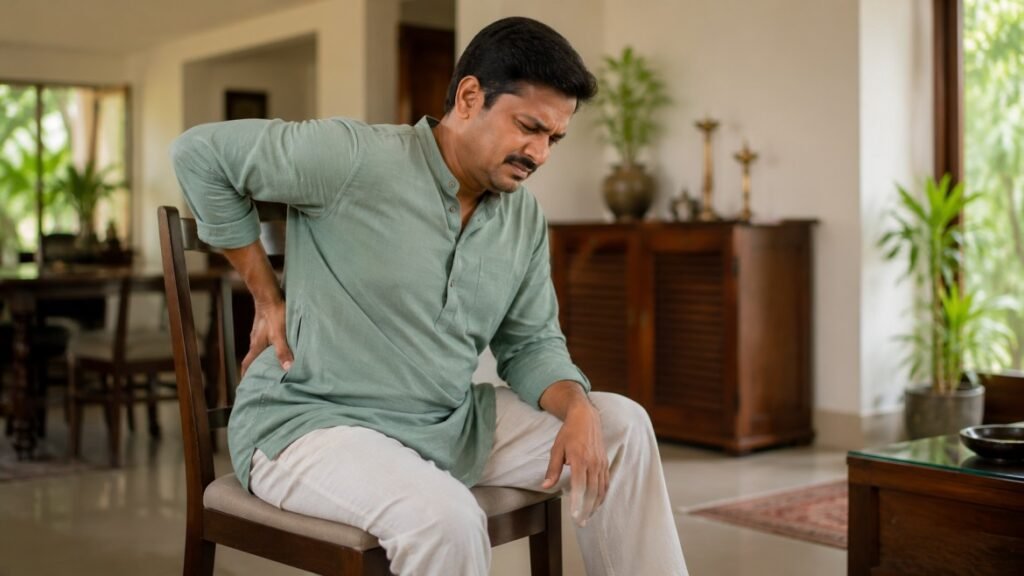
What Causes Chronic Back Pain?

Chronic back pain (lasting more than 12 weeks) is rarely caused by just one thing. Common contributors include:

  • Degenerative disc changes or a slipped/bulging disc
  • Sciatica (Gridhrasi in Ayurveda) — nerve compression causing pain down the leg
  • Muscle imbalance from prolonged sitting or poor posture
  • Old injuries that never fully healed
  • Lifestyle factors — irregular sleep, stress, and lack of movement, all of which Ayurveda links to vata imbalance

Understanding the root cause matters, because physiotherapy and Panchakarma are built to address slightly different pieces of this puzzle.

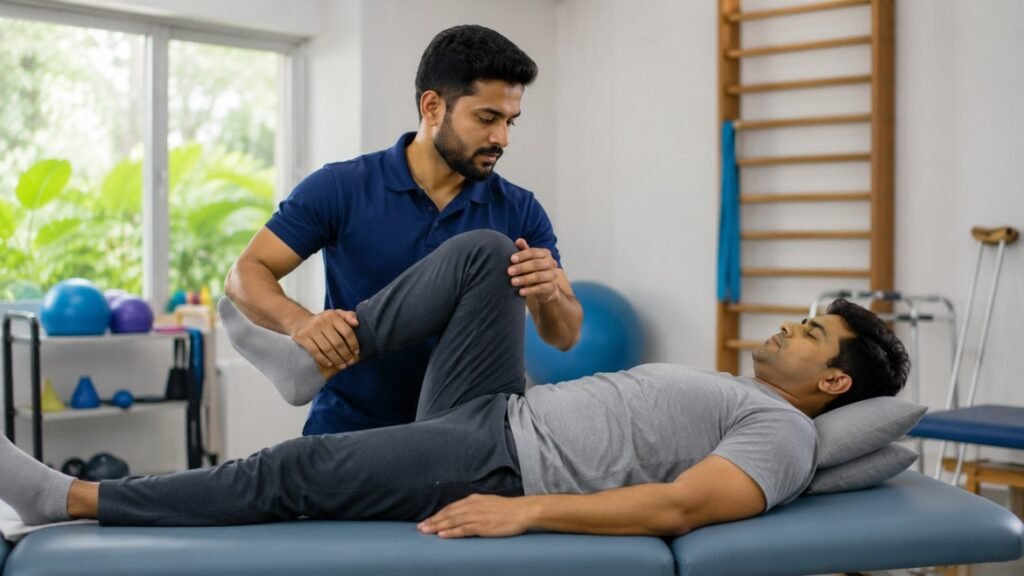
How Physiotherapy Helps

Physiotherapy focuses on the mechanics of the body — strengthening weak muscles, correcting posture, and restoring movement patterns. It’s especially effective for:

  • Pain caused by muscle weakness or poor movement habits
  • Recovery after a specific injury or surgery
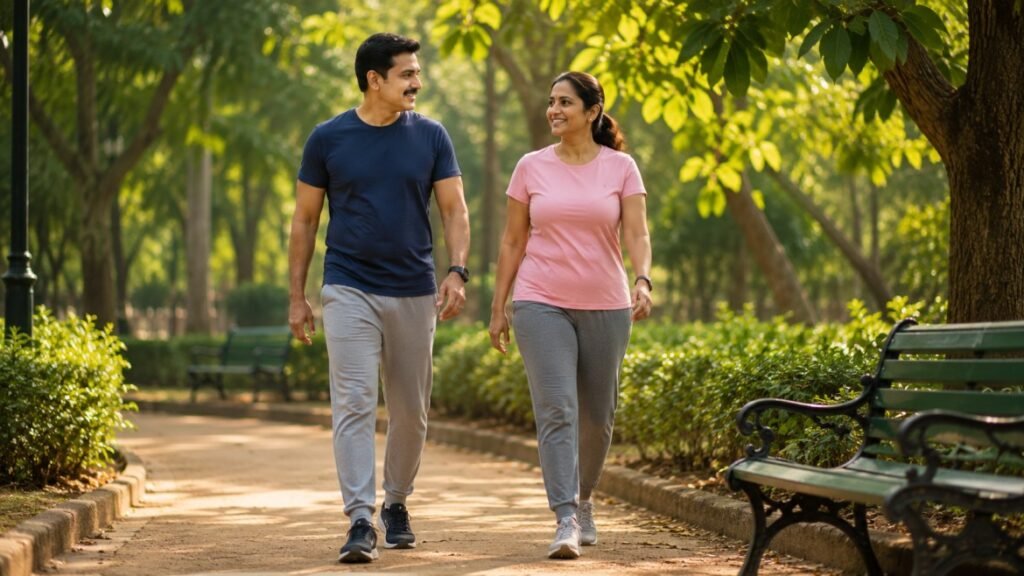
  • Building long-term strength to prevent recurrence

Physiotherapy works gradually and needs consistency — the results build over weeks of regular sessions and follow-through with home exercises.

How Ayurveda and Panchakarma Approach Back Pain

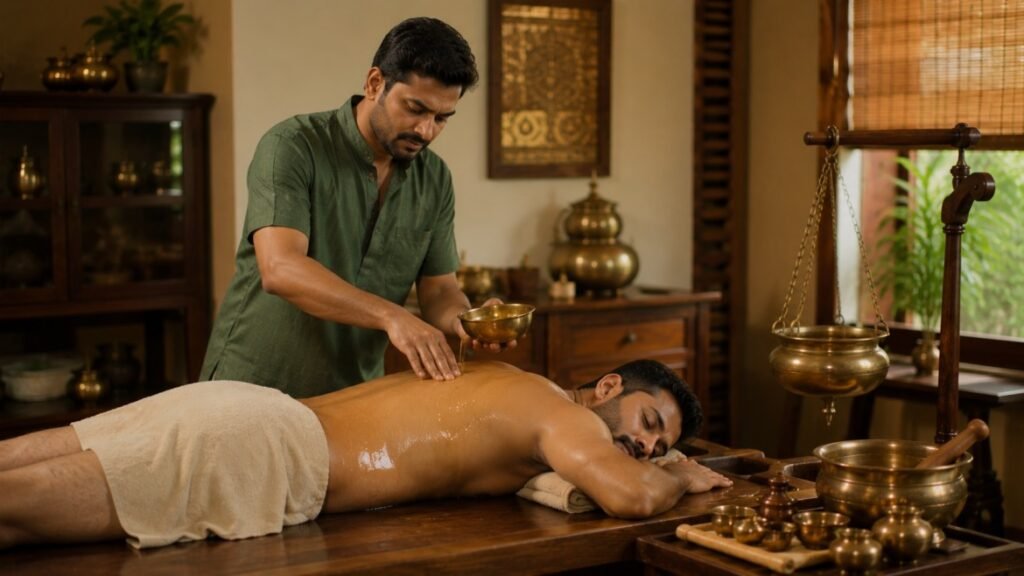
Panchakarma therapy for chronic back pain

Ayurveda treats chronic back pain differently — not just as a local muscle or joint problem, but as a sign of accumulated toxins (ama) and an aggravated vata dosha affecting the nerves, muscles, and joints of the lower back. Panchakarma, Ayurveda’s structured detoxification and rejuvenation program, is designed to address this at a deeper level through a combination of:

  • Vasti — medicated enemas considered one of the most effective classical treatments for vata-related back and nerve pain
  • Pizhichil — warm medicated oil poured rhythmically over the body to ease stiffness and improve circulation
  • Kizhi / Njavarakizhi — herbal poultice massage that reduces inflammation and loosens chronically tight muscles
  • Internal Ayurvedic medicines — to support nerve health and reduce inflammation from within
 

This is typically delivered as a structured program over 14–21 days, rather than as standalone sessions — which is one of the biggest practical differences from physiotherapy

Panchakarma vs Physiotherapy: A Side-by-Side Comparison

Our Ayurvedic doctors in Kochi see specific triggers that are particularly common among patients from Ernakulam, Kakkanad, Edapally, Aluva, and Thrippunithura. These include:

  • Hard Water Exposure: Kochi’s piped water supply in many localities has elevated mineral content. Regular washing with hard water strips the scalp’s natural moisture barrier and deposits calcium on the scalp, worsening both dandruff and hair breakage.
  • Humidity and Heat: Kerala’s tropical coastal climate creates ideal conditions for Malassezia fungal overgrowth on the scalp — the organism responsible for most fungal dandruff. High sweat production also congests follicles.
  • Stress and Irregular Schedules: Working professionals in Kochi’s IT corridors (Kakkanad, Infopark) commonly present with stress-aggravated Pitta and cortisol-driven hair fall alongside chronic dandruff.
  • Dietary Changes: Increased intake of spicy, fried, and processed foods in urban Kerala elevates Pitta and depletes the scalp’s natural oil balance. Inadequate protein and iron intake — particularly common in vegetarian diets without compensating foods — contributes to hair thinning.
  • Chemical Product Overuse: Frequent use of synthetic shampoos, hair colours, chemical straighteners, and heat styling tools damages the scalp microbiome and thins the hair shaft progressively.
  • Hormonal Imbalances: PCOS, hypothyroidism, post-pregnancy hormonal drop, and perimenopause are among the most common hormonal triggers for combined dandruff and hair fall in women between 25 and 45.
  • Prolonged Illness or Medication: Post-COVID telogen effluvium and medication-induced hair loss are increasingly common presentations in our clinic. The Ayurvedic Rasayana approach rebuilds the internal nutritive environment for hair regrowth.

Factor

Physiotherapy

Factor Physiotherapy Panchakarma (Ayurveda)

Approach

Targets muscles, joints, and movement patterns directly

Targets the whole body — detoxification, nerve nourishment, and correcting the underlying imbalance (vata dosha) believed to drive chronic pain

Best suited for

Postural issues, muscle weakness, post-injury mobility, ongoing strength maintenance

Long-standing pain with stiffness, nerve involvement (like sciatica), or repeated flare-ups that haven't fully resolved

Typical duration

Ongoing sessions, often 2–3 times a week for weeks to months

Structured 14–21 day in-patient or day-care program, often followed by maintenance routines

Techniques used

Exercises, stretches, manual therapy, electrotherapy

Vasti (medicated enemas), Pizhichil, Kizhi (herbal poultice massage), Njavarakizhi, internal medicines

Pain relief style

Gradual, builds through repeated strengthening

Often brings deeper relief for stiffness and nerve pain through oil-based therapies and detox

Can be combined?

Yes — many patients use physiotherapy exercises between or after a Panchakarma program

Yes — Panchakarma can prepare the body (reduce stiffness/inflammation) before physiotherapy becomes more effective

When Should You Choose Panchakarma Over Physiotherapy?

Panchakarma is often the better starting point when:

  • Pain has persisted for years despite repeated physiotherapy cycles
  • There’s significant stiffness, especially in the morning
  • Sciatica or nerve-related pain is present alongside the back pain
  • You’ve noticed the pain is closely tied to stress, poor sleep, or digestive issues
  • You’re looking for a deeper, whole-body reset rather than just localized strengthening

Physiotherapy tends to be the better first step when the pain is newer, clearly linked to posture or a specific movement pattern, or when you’re recovering from a recent injury.

Can Panchakarma and Physiotherapy Be Combined?

Yes — and for many chronic cases, this combination works better than either approach alone. A common, effective sequence is:

  • Complete a Panchakarma program first to reduce stiffness, inflammation, and nerve irritation
  • Follow with physiotherapy to rebuild strength and correct the posture or movement habits that contributed to the pain in the first place

At Nivera Ayur Care, our physicians assess your specific condition before recommending whether Panchakarma alone, physiotherapy alone, or a combined approach is right for you.

What to Expect During a Panchakarma Program for Back Pain at Nivera

  • An initial consultation and Prakriti (body constitution) assessment with our Ayurvedic physician
  • A personalized therapy plan — typically combining Vasti, Kizhi, and Pizhichil based on your specific pain pattern
  • Daily monitoring and adjustments as your body responds to treatment
  • Dietary and lifestyle guidance to support recovery and prevent recurrence

Every program is tailored individually — there’s no fixed package that suits everyone, which is why a proper physician consultation always comes first.

Frequently Asked Questions

Many patients with sciatica (Gridhrasi) and disc-related back pain find meaningful relief through a structured Panchakarma program, particularly Vasti therapy. Results vary by individual, and a physician evaluation is needed to confirm suitability for your specific condition.

Most back pain programs run 14–21 days, though your physician may recommend a shorter or longer duration depending on the severity and chronicity of your condition.

Generally, physiotherapy is paused or minimized during active Panchakarma treatment so the body can fully respond to the therapies, and reintroduced afterward as part of a maintenance routine. Your physician will guide the right timing.

Surgery is typically considered only after conservative treatments — including physiotherapy and Ayurveda — have been tried under proper medical guidance, and only for specific structural conditions. This decision should always involve both your Ayurvedic physician and, where relevant, an orthopedic or spine specialist.

Yes. Nivera Ayur Care is located in Kumbalam, Kochi, easily accessible from Kakkanad, Edapally, Ernakulam, Aluva, and Tripunithura, and we welcome patients from across the Kochi metro area.

If chronic back pain has been limiting your daily life despite trying physiotherapy or pain medication, an Ayurvedic evaluation may offer a different path forward. Book a consultation with our physicians at Nivera Ayur Care, Kumbalam, Kochi — serving patients across Ernakulam, Kakkanad, Edapally, Aluva, and Tripunithura.

Medical Disclaimer

Medical Disclaimer: This article is for general informational purposes only and does not constitute medical advice. Ayurvedic treatments, including Panchakarma, should be undertaken only under the guidance of a qualified Ayurvedic physician after a proper diagnosis. Please consult a doctor before starting or discontinuing any treatment for chronic back pain.

Call us or visit niveraayurcare.com to schedule your consultation.

Enquiry

Get Consultation With Our Experts

Nivera Ayur Care is a specialized Ayurveda hospital focused on child development care, neurological rehabilitation, women’s wellness, and holistic healing through authentic Ayurvedic therapies. We combine traditional Ayurvedic wisdom with personalized rehabilitation approaches to support long-term health and recovery

Specialized Ayurveda Care for Growth, Recovery & Wellness

Contact

© 2026 Nivera Ayur Care. All Rights Reserved.