Post-Panchakarma is the third and final stage of Panchakarma therapy in Ayurveda. After the body undergoes cleansing therapies, this recovery phase helps gradually restore digestive strength, nourish body tissues, support healthy routines, and maintain the benefits of Panchakarma through personalized diet, lifestyle guidance, and rejuvenation therapies.
At Nivera Ayur Care, Kochi, Post-Panchakarma is designed individually for each patient based on the Panchakarma therapies completed, body constitution (Prakriti), age, health condition, and recovery needs.
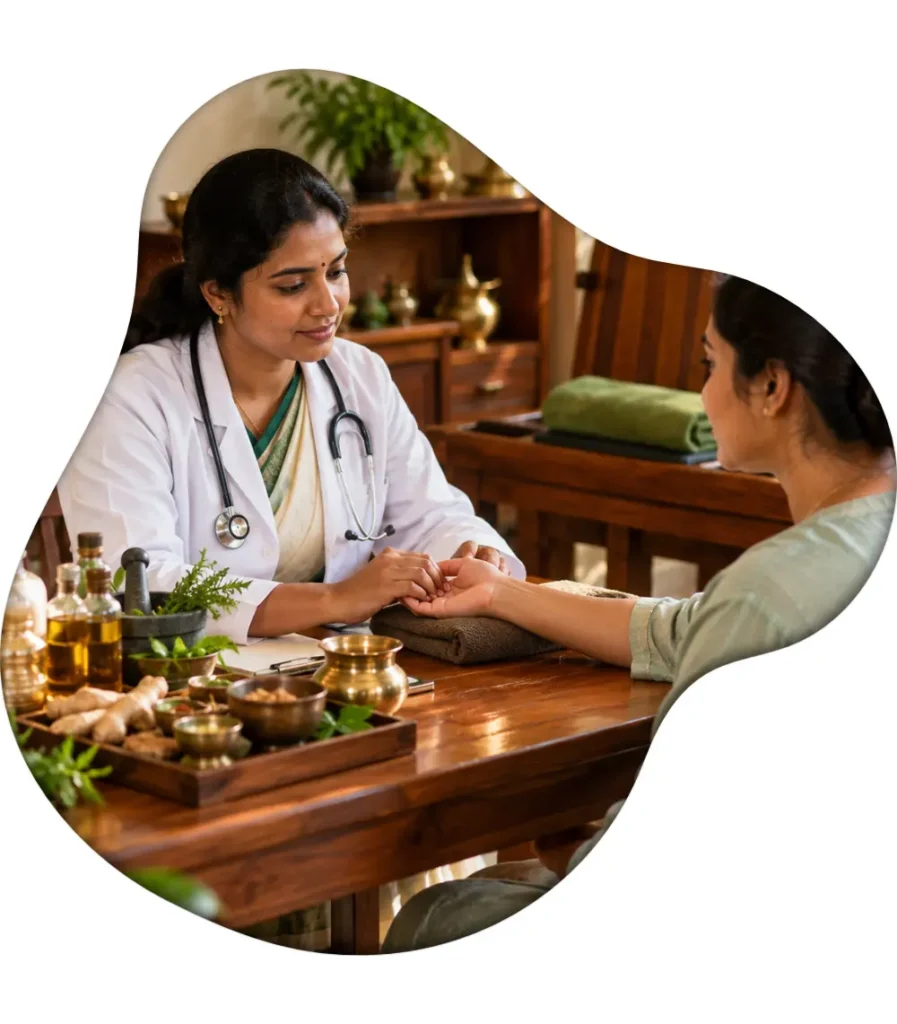
Post-Panchakarma care in Ayurveda, It begins after the main Panchakarma cleansing procedures and helps the body transition safely from detoxification to normal daily life. Classical Ayurveda considers Post-Panchakarma an essential part of Panchakarma because cleansing temporarily reduces digestive strength (Agni), and proper recovery helps consolidate the benefits of treatment.
At Nivera Ayur Care, Post-Panchakarma includes:
Personalized Ayurvedic follow-up consultation.
Therapeutic diet (Pathya Ahara).
Samsarjana Krama (gradual diet progression).
Lifestyle and daily routine guidance.
Herbal medicines when recommended.
Rasayana (rejuvenation) therapies when appropriate.
Recovery monitoring.
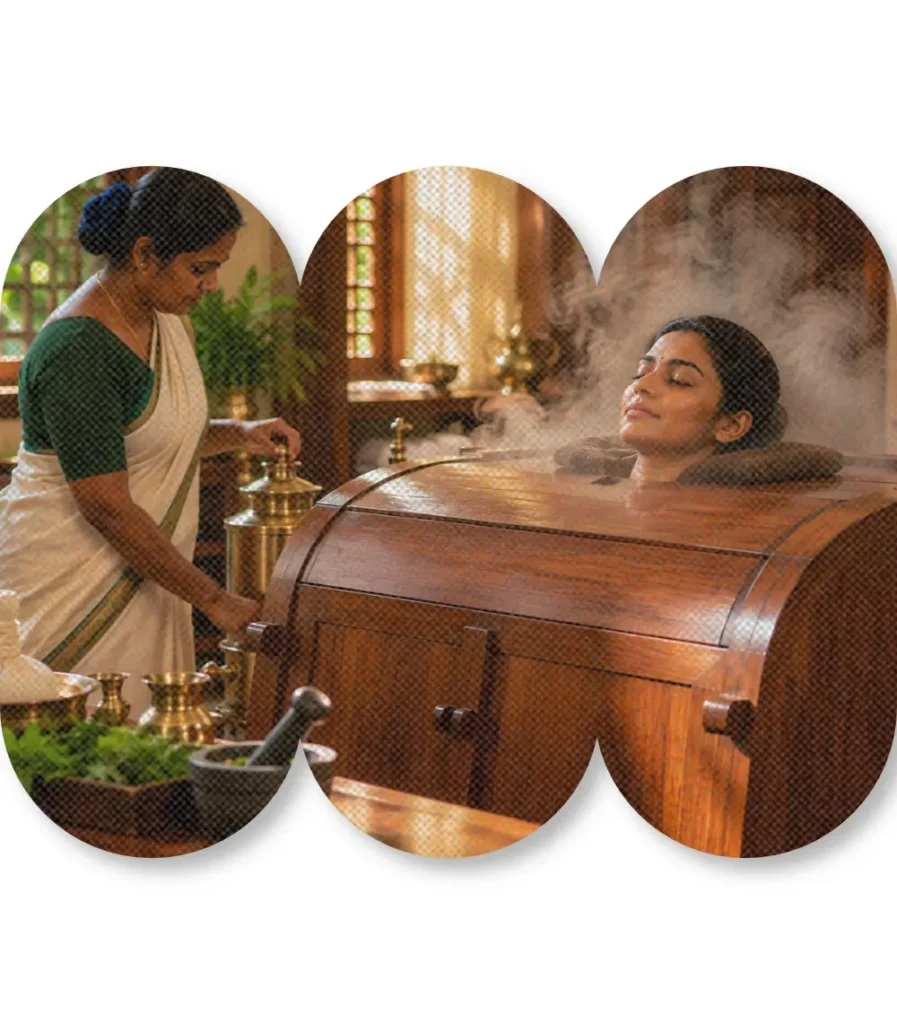
Preparation using Abhyangam, Swedanam, and internal oleation.
Main Panchakarma cleansing procedures such as Vamana, Virechana, Basti, Nasya, and Raktamokshana.
Recovery phase focused on diet, rest, rejuvenation, and long-term wellness.n.
Paschat Karma is considered just as important as the cleansing stage because recovery helps maintain therapeutic benefits over time.
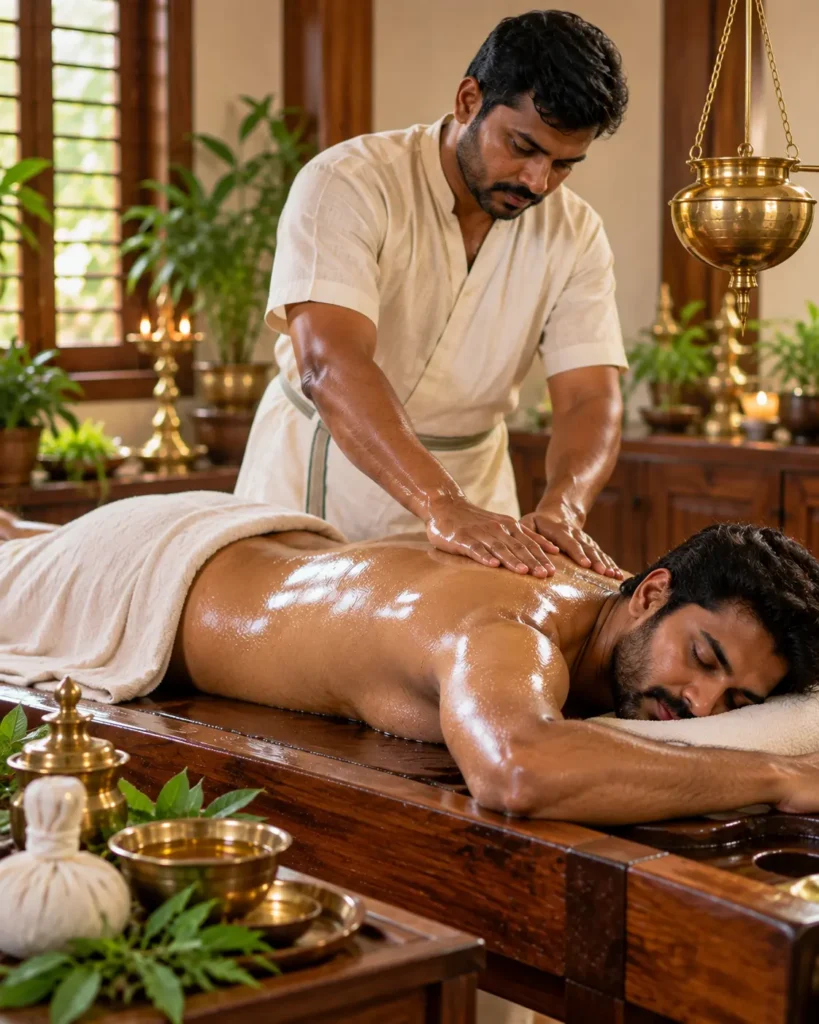
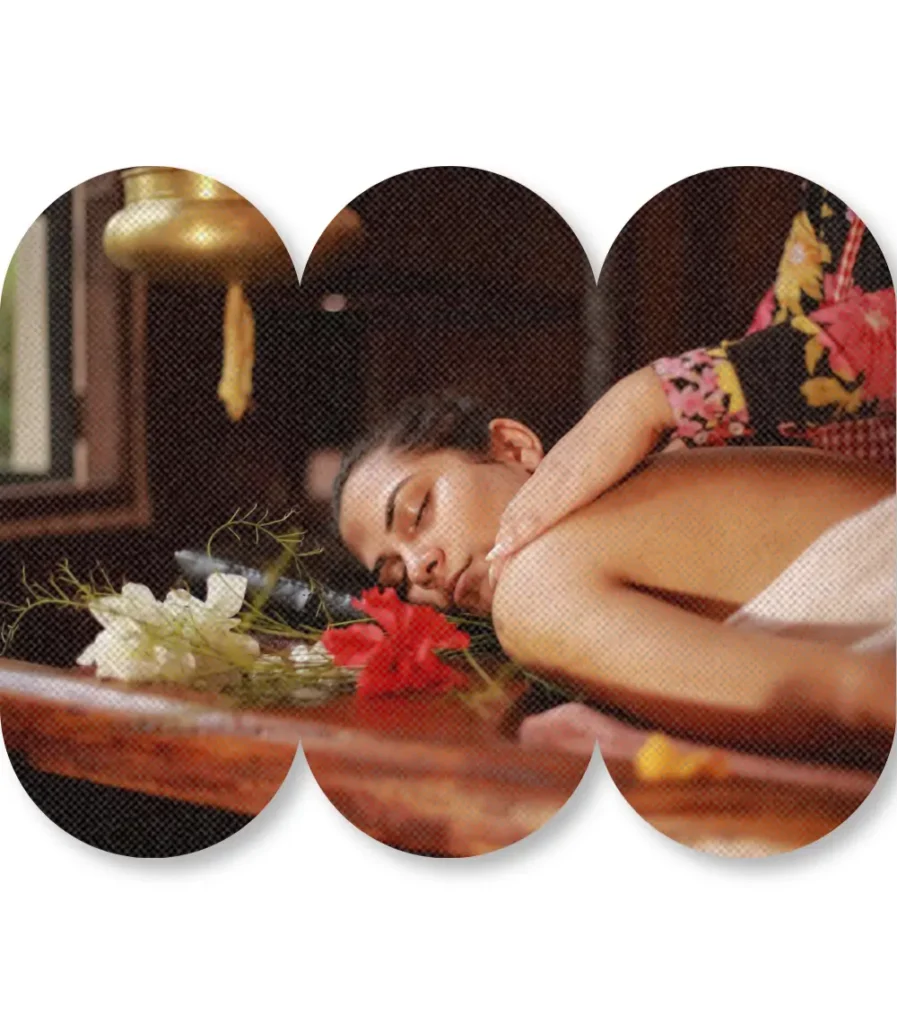
After Panchakarma, the body enters a recovery period where digestion and tissues gradually regain strength. Post-Panchakarma aims to support this transition through structured dietary and lifestyle guidance.
Supports recovery after Panchakarma.
Helps gradually restore digestive strength.
Encourages healthy eating habits after detoxification.
Supports tissue nourishment through Ayurvedic rejuvenation practices.
Promotes healthy daily routines and long-term wellness.
Helps patients transition safely back to regular activities.
Post-Panchakarma may be recommended for patients who have completed:
Comprehensive Panchakarma wellness programs.
Seasonal Ayurvedic detox programs.
The recovery plan depends on the therapies performed and individual health assessment.
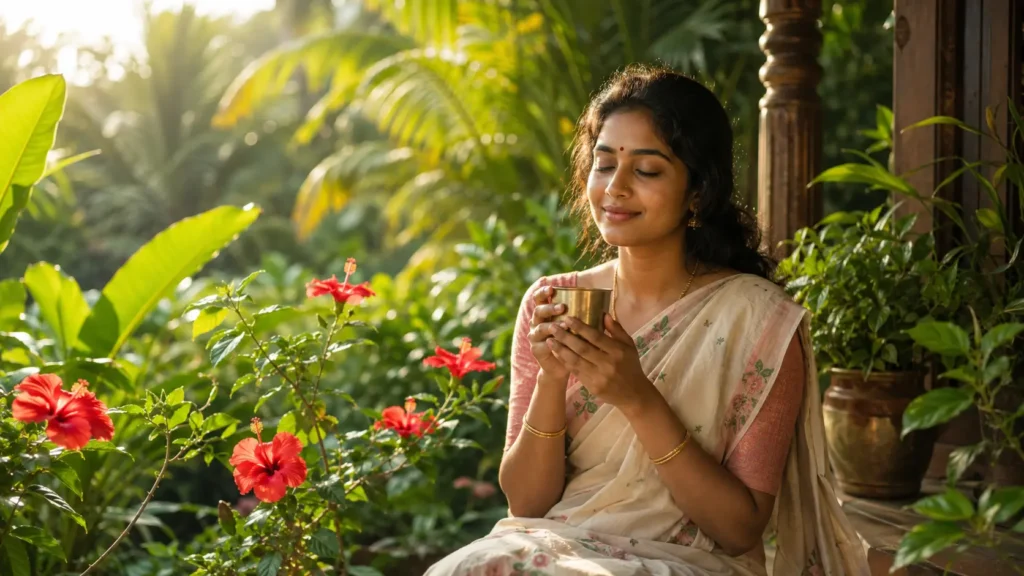
Your practitioner reviews:
Digestive health.
Energy levels..
Sleep quality.
Appetite.
Bowel movements.
Recovery progress.
Based on this assessment, your recovery plan is personalized.
One of the most important parts of Post-Panchakarma is Samsarjana Krama, the gradual reintroduction of food after Panchakarma. Ayurveda recommends beginning with light, easily digestible foods before returning to a regular diet.
Warm rice gruel (Peya), warm water.
Thicker rice porridge (Vilepi).
Soft rice with light vegetable soups.
Cooked vegetables, lentils, and nourishing meals.
Gradual return to a balanced everyday diet.
Your practitioner adjusts this plan according to your digestive capacity and treatment history.
A personalized diet plan may include:
Warm freshly prepared meals.
Rice-based dishes.
Moong dal.
Cooked vegetables.
Herbal soups.
Warm herbal water..
Cold beverages.
Fried foods.
Highly processed foods.
Excessively spicy meals.
Heavy restaurant foods.
Diet recommendations vary according to the individual's recovery stage.
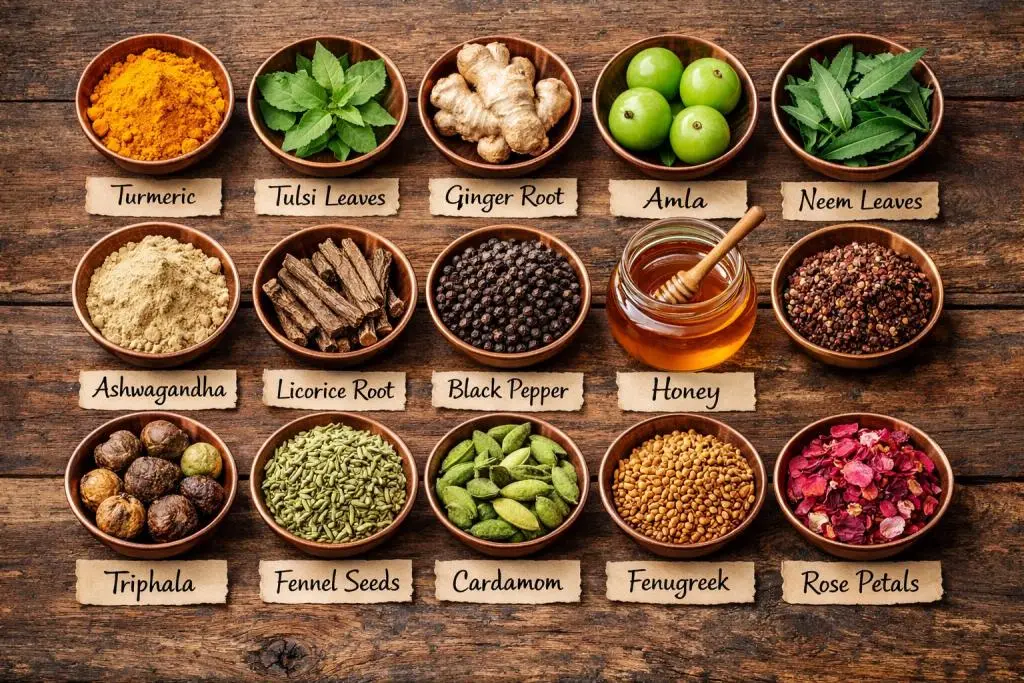
After cleansing, some patients may receive Rasayana therapies to support tissue nourishment and long-term wellness.Rasayana may include:
Ayurvedic herbal formulations.
Rejuvenating dietary recommendations.
Lifestyle practices.
Wellness therapies.
Rasayana is individualized and is typically considered after appropriate Panchakarma recovery.
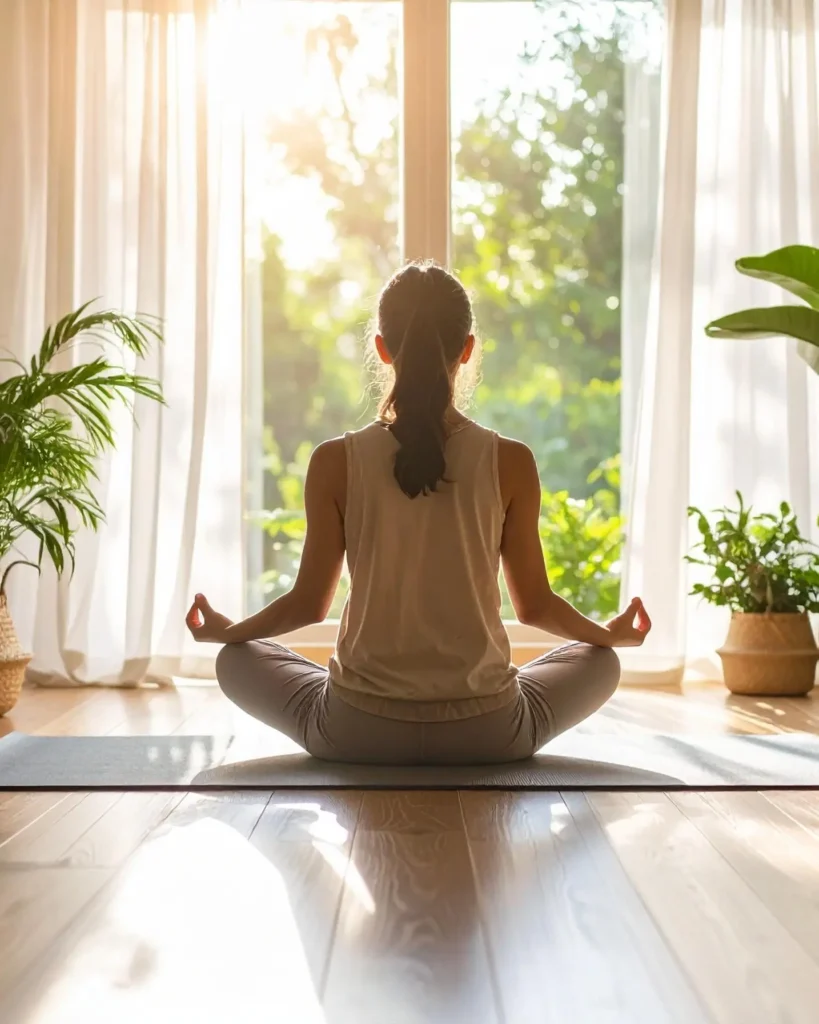
Patients may receive personalized advice on:
Sleep timing.
Meal timing.
Gentle walking.
Yoga.
Breathing exercises.
Meditation.
Stress management.
Wake up early.
Eat meals at regular times.
Drink warm water.
Avoid excessive physical exertion initially.
Rest, hydration, light diet, digestive recovery.
Gradual food progression and gentle activity.
Avoid cold air or cold showers immediately.
Balanced meals and personalized herbal medicines if advised.
Lifestyle stabilization and wellness monitoring.
The timeline varies depending on the Panchakarma therapy performed.
Your practitioner may prescribe individualized herbal medicines depending on:
Body constitution.
Digestive strength.
Recovery progress.
Treatment goals.
Herbal medicines should only be taken under Ayurvedic medical supervision.
Ayurvedic evaluation after Panchakarma.
Personalized Samsarjana Krama and Pathya Ahara.
Sleep, activity, hydration, and daily routine advice.
Rasayana recommendations if appropriate.
Monitoring digestion, recovery, and wellness progress.
The timeline varies depending on the Panchakarma therapy performed.
Tell your practitioner about:
Current medications.
Allergies.
Diabetes or hypertension.
Pregnancy or breastfeeding.
Previous surgeries.
Food intolerances.
This helps personalize recovery safely.
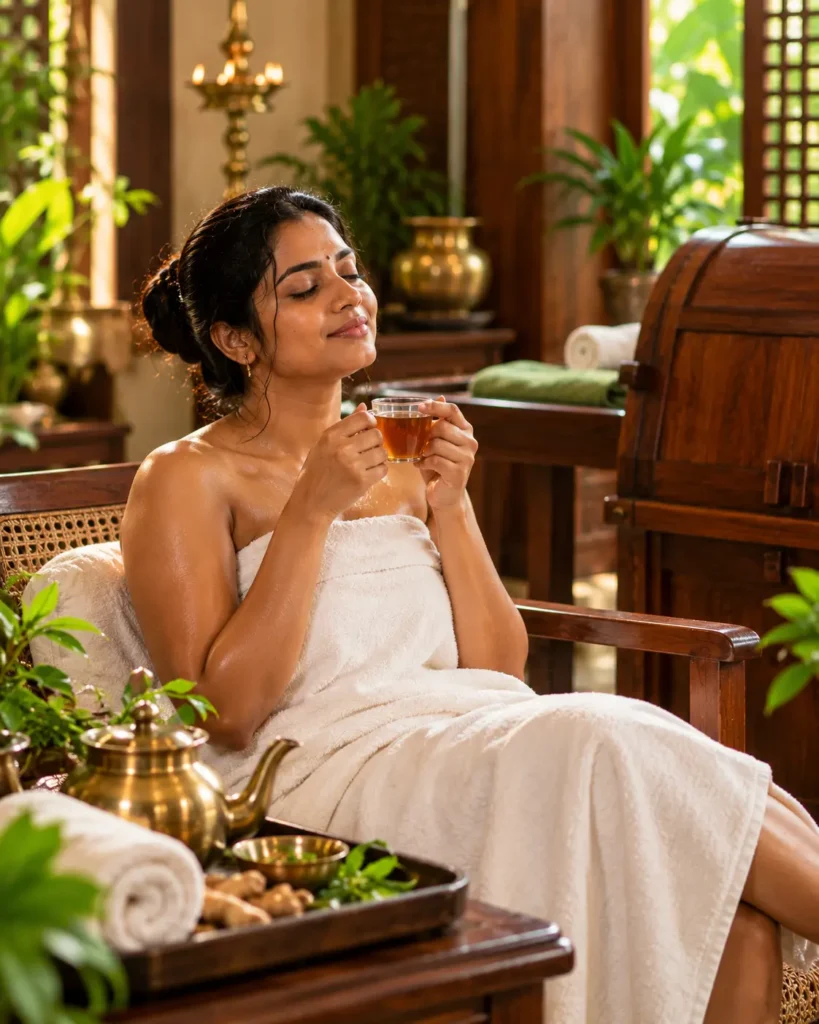
Drink warm water.
Eat freshly cooked meals..
Rest adequately.
Follow prescribed medicines.
Attend follow-up appointments.
Heavy exercise immediately after detox.
Alcohol.
Smoking.
Cold foods and drinks.
Late-night meals.
Sleep deprivation.
Post-Panchakarma is not a disease-specific treatment. It is part of recovery after Panchakarma and may be included in wellness programs for patients undergoing Ayurvedic care f
Joint stiffness.
Skin wellness.
Seasonal rejuvenation.
Chronic wellness programs..
The recovery plan depends on your Ayurvedic diagnosis.
Every patient receives individualized guidance.
Recovery recommendations are based on Ayurvedic consultation.
Recovery follows classical Panchakarma principles.
Structured support beyond detoxification.iples.
Recovery progress is monitored after therapy.
Post-Panchakarma is the post-treatment recovery stage of Panchakarma that focuses on diet, lifestyle, rejuvenation, and recovery after detoxification.
Classical Ayurveda considers Paschat Karma an essential recovery phase because it helps patients gradually return to normal routines after cleansing therapies
Samsarjana Krama is the gradual progression of diet after Panchakarma, beginning with light foods and advancing according to digestive recovery
Warm, light, freshly prepared meals are commonly recommended during recovery. Your diet plan depends on your practitioner’s assessment.
The duration varies depending on the Panchakarma procedure performed and the individual’s recovery needs.
Gentle walking and light activity may be recommended during recovery. Intense exercise is usually postponed until your practitioner advises it.
Complete your Panchakarma journey with personalized recovery care at Nivera Ayur Care, Kochi. Our Ayurvedic practitioners provide individualized diet, lifestyle, herbal medicine, and rejuvenation guidance to help support long-term wellness after Panchakarma.
Schedule a Post-Panchakarma consultation to receive a recovery plan tailored to your health condition and Ayurvedic body constitution.
© 2026 Nivera Ayur Care. All Rights Reserved.